

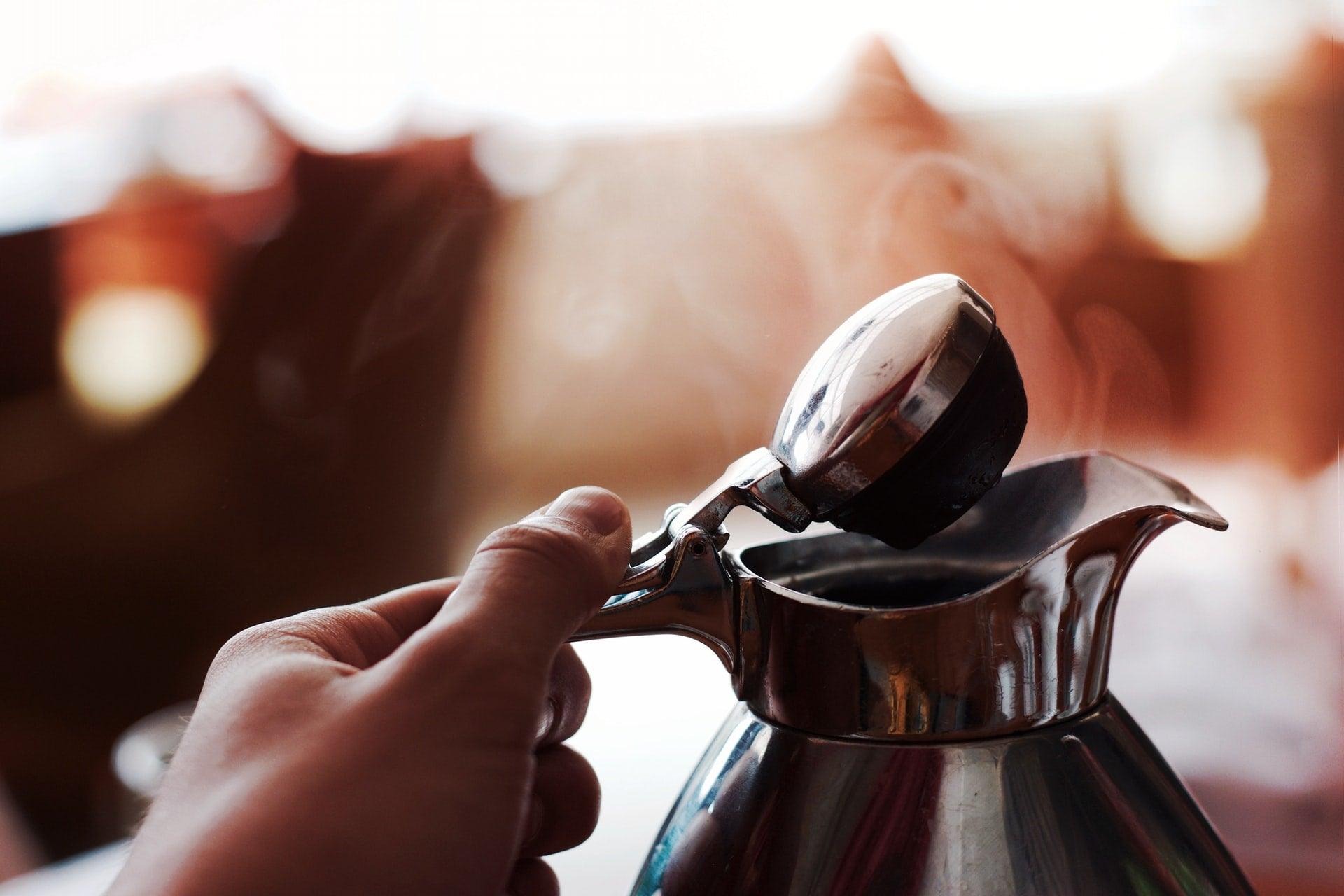
How to choose the best coffee thermos - 9 factors to consider
Your morning coffee is perfect when it leaves the pot. Ten minutes later, riding the elevator to your desk, it's already going cold. A good thermos solves this — but a bad one just delays the disappointment.
With hundreds of thermoses on the market, the differences between a $15 option and a $45 one aren't always obvious. This guide breaks down the 9 factors that actually matter, so you can pick the right one for how you drink coffee — and stop settling for lukewarm.
What Makes a Great Coffee Thermos?
The best thermoses for coffee share three non-negotiable features: double-wall vacuum insulation, a stainless steel interior, and a leak-proof lid. Everything else — size, design, accessories — is secondary to these three. According to Thermos LLC's engineering specifications, double-wall vacuum insulation eliminates heat loss through convection and conduction, which is why it outperforms foam or single-wall designs by 4 to 6 hours of retention time.
Beyond those basics, the right thermos depends on your routine. Here's how to evaluate each factor.
1. Heat Retention: The Most Important Spec
A quality double-wall vacuum thermos should keep coffee hot for at least 6 hours. The best ones hold heat for 10 to 12 hours. Single-wall or foam-insulated thermoses typically lose meaningful heat within 1 to 2 hours — fine for a short commute, useless for a full workday.
The physics: heat escapes via three mechanisms — conduction (contact), convection (air movement), and radiation. Double-wall vacuum construction eliminates air between the walls, cutting conduction and convection to near zero. A reflective inner lining handles radiation. Together, these keep your coffee at a drinkable temperature from morning through early afternoon.
When comparing models, look for the actual temperature data in the product specs, not just "keeps hot for X hours." A thermos that claims 12 hours but only maintains 140°F isn't as useful as one that holds 160°F for 8 hours. The Specialty Coffee Association recommends serving temperature of 160°F to 185°F for optimal flavor.
2. Size and Capacity: Match It to Your Routine
Choose your thermos size based on how much coffee you actually drink in a sitting — not how much you wish you drank.
| Size | Best For | Cups of Coffee |
|---|---|---|
| 12–16 oz | Short commute, single serving | 1–2 cups |
| 16–24 oz | Full workday, desk use | 2–3 cups |
| 32 oz | Office sharing, outdoor trips | 4 cups |
| 64 oz+ | Group use, camping, events | 8+ cups |
One practical note: a thermos works best when it's full. Air space inside the container accelerates heat loss. If you typically fill a 24 oz thermos only halfway, you'd retain heat better with a 16 oz thermos filled completely.
3. Material: Stainless Steel vs. Everything Else
Stainless steel is the right choice for coffee. Full stop.
Plastic thermoses are cheaper but absorb coffee odors and flavors over time, and low-quality plastics can leach BPA or other compounds into hot beverages — a concern flagged in FDA material safety guidance. Glass-lined thermoses offer neutral flavor but are fragile and heavier. Aluminum reacts with acidic beverages like coffee and can alter taste.
Food-grade 18/8 stainless steel (also called 304 stainless) is the standard for quality thermoses. It doesn't retain odors, doesn't react with coffee acids, and holds up to daily use for years. Brands that offer lifetime warranties almost universally use 18/8 stainless construction — the warranty signals their confidence in the material.
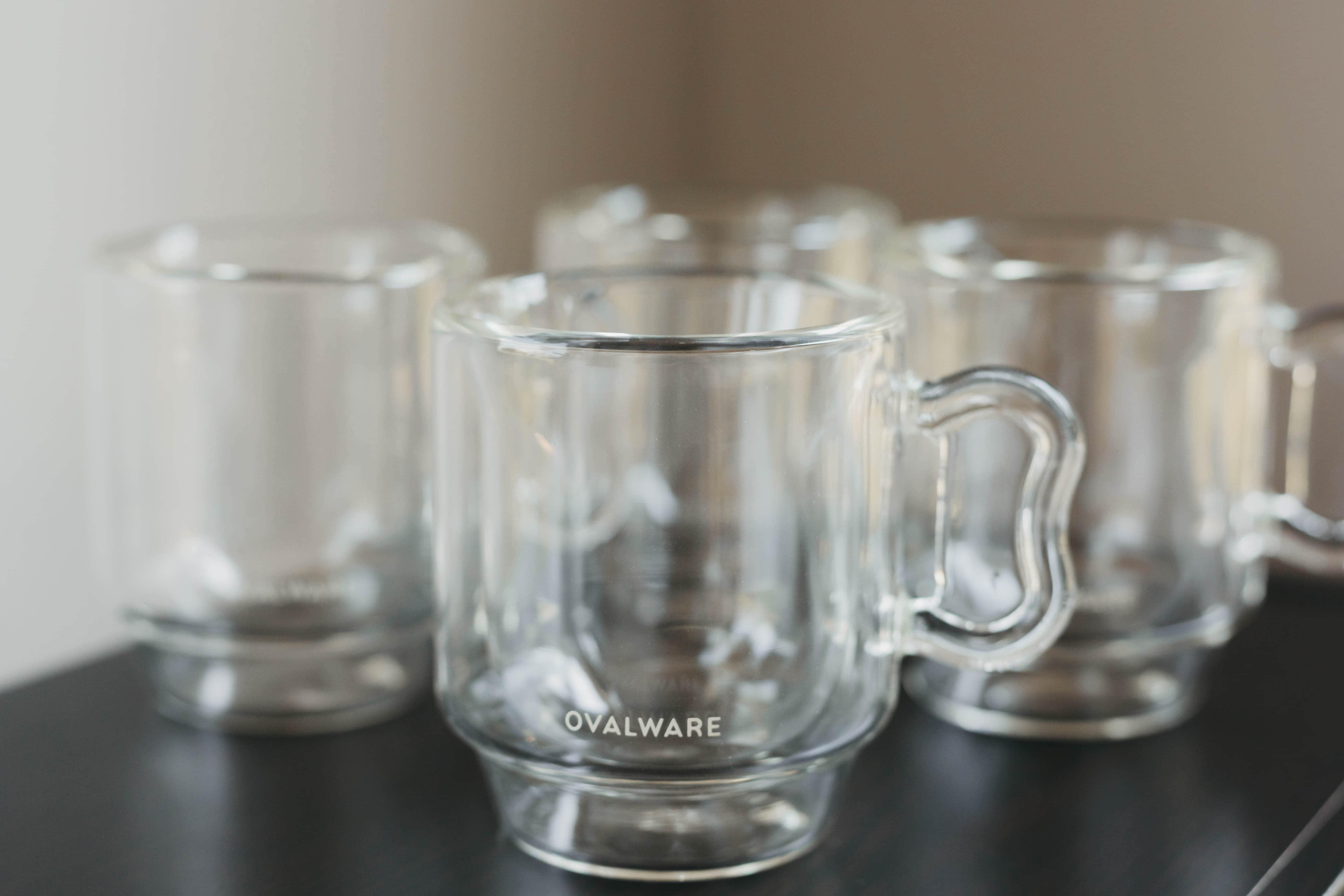
For drinkware that pairs well with your thermos at home, Ovalware's double wall mug uses borosilicate glass with double-wall insulation — a great option for desktop use where portability is less important than taste clarity.
4. Lid Design: Where Most Thermoses Fail
The lid is the weakest point of any thermos. Most heat loss and all leaks come from a poorly designed lid.
Screw-top lids create the best seal and are the most durable — they're harder to accidentally open in a bag. Flip-top or push-button lids are faster to drink from but introduce more failure points (gaskets, hinges, locking mechanisms). If you commute with your thermos in a bag, screw-top is the safer choice.
Look for silicone gaskets rather than rubber — silicone holds its shape through hundreds of heat cycles and doesn't absorb odors. Any lid marketed as "leak-proof" should be tested at home before trusting it in your work bag.
5. Mouth Width: Affects Both Drinking and Cleaning
Narrow-mouth thermoses (around 1.5 inches) are better for drinking on the go — less spill risk. Wide-mouth thermoses (2.5 inches or more) are much easier to clean and allow you to add ice cubes, which matters if you use your thermos for iced coffee or cold brew coffee.
If cleaning is a priority — and it should be, since coffee residue builds up fast — choose wide-mouth. A bottle brush fits easily inside, and most wide-mouth thermoses are also dishwasher safe on the top rack.
6. Cleaning and Maintenance
A thermos you don't clean properly will start tainting your coffee within a week. Coffee oils and residue coat the interior and turn rancid, creating a stale, bitter background flavor that no amount of fresh grounds will fix.
Clean your thermos daily with warm water and a drop of dish soap. Once a week, use a bottle brush to scrub the interior and lid gasket. For stubborn staining, fill with a mixture of hot water and two tablespoons of baking soda, let sit for 30 minutes, then rinse thoroughly. Avoid abrasive cleaners — they scratch the stainless steel interior and create surface area for bacteria.
Never put a vacuum-insulated thermos in the microwave or submerge the lid mechanism in water unless the manufacturer specifically says it's safe.
7. Portability: Weight, Shape, and Grip
For daily commuting, look for a thermos that fits in a standard car cup holder (most 16 oz and 20 oz models do) and weighs under 12 oz empty. Ergonomic grip texturing or a rubberized base helps with one-handed use.
If you're using it for hiking or camping, prioritize weight and impact resistance. Brushed stainless steel handles minor drops better than polished finishes (scratches show less). Avoid thermoses with exposed glass components for outdoor use.
8. Design and Finish
Brushed stainless steel hides fingerprints and minor scratches better than polished or powder-coated finishes. Powder coating adds color options but can chip with regular use. For an office or work setting, a simple brushed steel finish looks clean and professional for years.
If aesthetics matter — and for a product you'll use every day, they should — think of your thermos as drinkware, not just utility equipment. The same care that goes into choosing quality brewing your coffee right should go into how you carry and drink it.
9. Price: What the Budget Tiers Actually Get You
You don't need to spend a lot, but the cheapest options have real trade-offs.
| Price Range | What You Get | Trade-offs |
|---|---|---|
| Under $15 | Single-wall or basic foam insulation | 2–3 hours heat retention max; often plastic-lined |
| $15–$30 | Double-wall vacuum, stainless steel | Good quality; lid mechanisms can be basic |
| $30–$50 | Premium insulation, better lid design, longer warranty | None significant at this tier |
| $50+ | Lifetime warranties, premium finishes, advanced lid tech | Diminishing returns on performance vs. $30–$50 range |
The sweet spot for most people is $25–$40. At that range you get double-wall vacuum insulation, 18/8 stainless steel, and a reliable lid — without paying for brand premiums that don't improve the coffee drinking experience.
Frequently Asked Questions
How long does a thermos keep coffee hot?
A quality double-wall vacuum insulated thermos keeps coffee hot for 6 to 12 hours. Stainless steel double-wall construction with a tight-fitting lid performs best. Cheaper plastic or single-wall thermoses typically keep coffee warm for only 1 to 2 hours.
What size thermos is best for coffee?
For a single person commuting, a 12 to 16 oz thermos is ideal. If you want multiple cups throughout the day, choose a 16 to 24 oz model. For office use or family outings, a 32 oz or larger thermos makes more sense. Fill your thermos as close to full as possible — air space inside speeds up heat loss.
Is stainless steel better than plastic for a coffee thermos?
Yes. Stainless steel double-wall vacuum thermoses outperform plastic in heat retention, durability, and taste. Plastic can absorb odors and flavors over time and does not insulate as well. High-quality stainless steel thermoses are also easier to clean and don't leach chemicals into hot beverages.
Can you put cold brew coffee in a thermos?
Yes. A vacuum-insulated thermos works just as well for cold beverages as it does for hot ones. It will keep cold brew cold for 12 to 24 hours without diluting it. Make sure the thermos is clean and odor-free before use so the cold brew flavor stays pure.
What should I look for when buying a coffee thermos?
The most important features are double-wall vacuum insulation, a leak-proof lid, and stainless steel construction. Look for at least 6 hours of heat retention, a wide enough mouth for easy cleaning, and a size that fits your daily coffee intake. Some brands offer lifetime warranties as a sign of build quality.
The Bottom Line
The best thermos for coffee is the one that matches how you actually drink — your volume, your commute, your cleaning habits. But the non-negotiables are the same for everyone: double-wall vacuum insulation, stainless steel interior, and a lid that seals properly.
If you're building out your at-home coffee setup, your thermos is just one piece. The quality of what you put into it matters just as much. Ovalware's Cold Brew Maker brews smooth, low-acid cold brew you can store directly in the fridge — and pour straight into a good thermos for the day ahead.


Leave a comment
This site is protected by hCaptcha and the hCaptcha Privacy Policy and Terms of Service apply.