Espresso Tonic Recipe: How to Make the Summer Café Drink at Home
If you've been seeing a tall glass of layered coffee and fizzy water all over café Instagram this summer, that's an espresso tonic. And it's not just a pretty drink , it's one of the most refreshing ways to enjoy espresso when it's warm out.
The cardamom orange espresso tonic has taken over specialty café menus this May. The good news: you don't need a café to make it. This guide covers the classic recipe, three summer variations, the glass that makes the layers pop, and every tip that separates a great espresso tonic from a watery one.
What Is an Espresso Tonic?
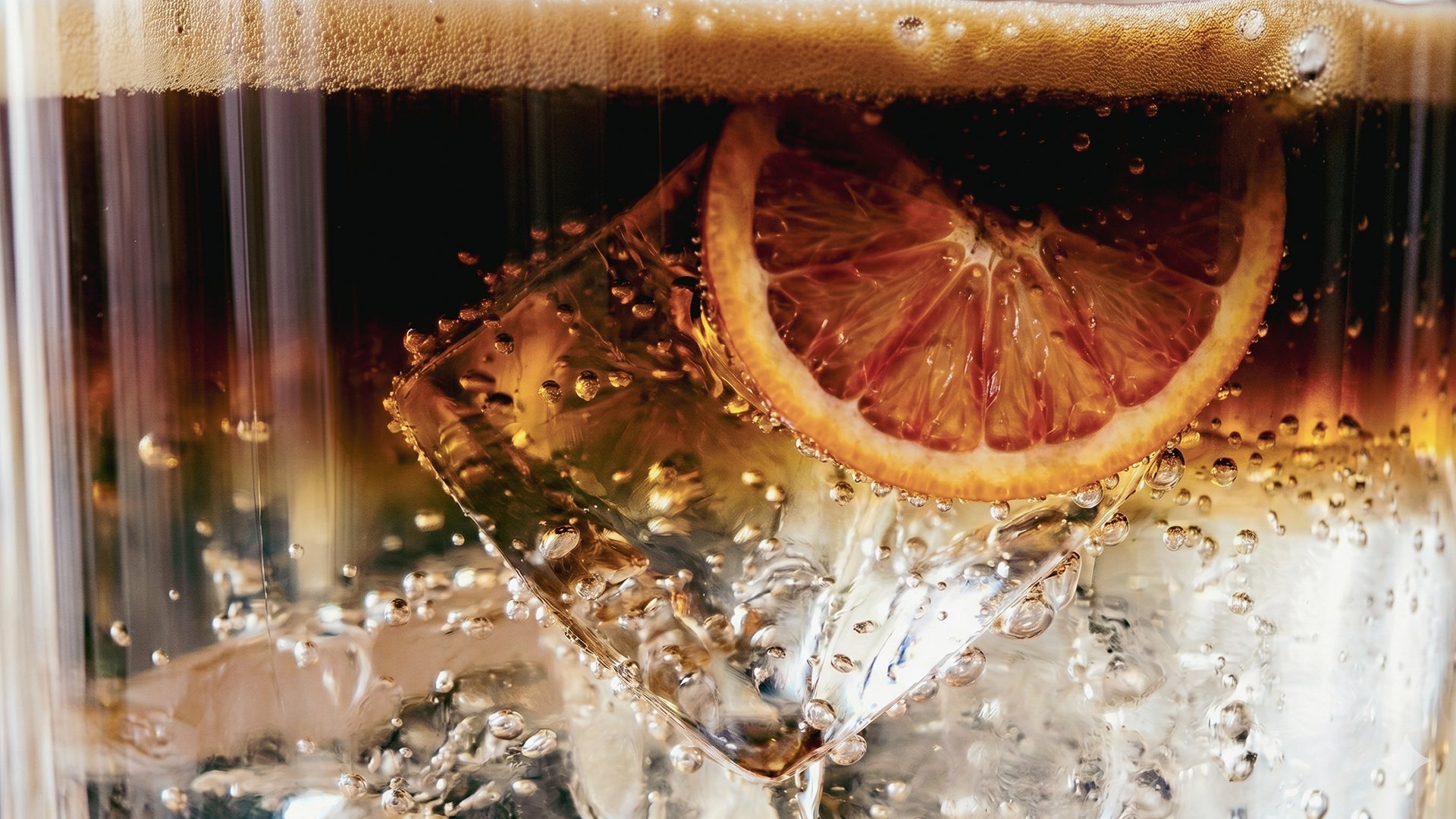
An espresso tonic is a cold coffee drink made by pouring a double shot of espresso over tonic water and ice. The difference in density between the hot espresso and the cold tonic creates a natural two-layer effect , dark coffee floating above pale, fizzy water , that looks as good as it tastes. As you sip or stir, the layers blend into a lightly bitter, refreshing, carbonated coffee drink with a clean finish.
The drink originated in Scandinavia around 2010, where it became a warm-weather staple at specialty coffee shops in Sweden and Norway. From there it spread across Europe and, in the past two years, has become a global summer café menu fixture. Its rise is driven partly by flavor and partly by aesthetics , that layered glass photographs beautifully, and recipe videos of the pour get millions of views every summer.
According to Google Trends data, searches for "espresso tonic recipe" have grown more than 300% over the past two years. The cardamom orange variation alone spiked sharply in May 2026 as café owners posted their seasonal menus. It's the right time to make this at home.

What You Need
Ingredients
- Double espresso (60ml / 2oz): Two shots, pulled fresh. Use a medium roast for best results , dark roasts can fight with the tonic's bitterness rather than complement it.
- Tonic water (100-120ml / 3.5-4oz): Quality matters here. Fever-Tree Indian Tonic Water, Q Spectacular Tonic, or East Imperial Yuzu Tonic all work well. Avoid tonic with artificial quinine substitutes.
- Ice: Clear ice cubes look best in a clear glass, but any ice works fine.
- Optional garnishes: Lemon twist, orange slice, cardamom pods, fresh mint, cinnamon stick , depending on which variation you're making.
Equipment
- An espresso machine, moka pot, or AeroPress to pull the shots
- A clear glass , essential if you want to see the layers
- A spoon for the controlled pour
The Classic Espresso Tonic Recipe
The classic espresso tonic uses three ingredients and takes about five minutes. The order matters: ice first, tonic second, espresso last. Pull your shots hot and pour slowly , the temperature difference and the slight density difference between espresso and cold tonic create the natural layer. Here's the method step by step:
- Fill your glass with ice , about halfway up.
- Pour 100ml of tonic water directly over the ice. The fizz will settle within a few seconds.
- Pull a double espresso shot (about 60ml). Use it immediately , don't let it cool.
- Hold a spoon with the back facing up, just above the surface of the tonic. Pour the espresso slowly over the back of the spoon, letting it fan out gently on top of the tonic.
- Add your garnish. Serve immediately. Don't stir , let your guest decide when to mix.
The basic ratio is 1 part espresso to 1.5-2 parts tonic. Go heavier on the coffee (1:1.5) if you want a more intense, bitter flavor. Lean lighter (1:2.5) for a more refreshing, sessionable drink on a hot afternoon.
3 Summer Variations Worth Making
Cardamom Orange Espresso Tonic (The One Trending Now)
This is the variation dominating café Instagram in May 2026. Cardamom adds a floral, slightly spicy warmth that pairs beautifully with espresso's natural chocolate notes. Orange brightens everything up and adds a citrus pop that makes the drink feel seasonal and alive.
To make cardamom simple syrup: combine 1 cup water, 1 cup sugar, and 6 lightly cracked cardamom pods in a small saucepan. Simmer for 5 minutes, then remove from heat and let steep for 15 minutes. Strain and cool. Store in the fridge for up to two weeks.
- Add 1 tablespoon cardamom simple syrup to the bottom of the glass.
- Fill with ice.
- Pour in 100ml orange-flavored tonic (Fever-Tree makes one) or regular tonic with a squeeze of fresh orange juice.
- Pour the double espresso over the back of a spoon.
- Garnish with an orange slice and a cardamom pod.
Elderflower Espresso Tonic
Elderflower adds a delicate floral note that turns the espresso tonic into something almost wine-like. Popular with the aperitivo crowd and anyone who enjoys a lighter, more aromatic coffee drink.
- Add 15ml elderflower cordial (or elderflower liqueur like St-Germain for an alcoholic version) to the glass.
- Ice, then 100ml tonic water.
- Pour the double espresso over a spoon.
- Garnish with a lemon wheel and a sprig of fresh mint.
Spiced Vanilla Espresso Tonic
A warm-spice version that works year-round but hits differently in early summer when you want something a little cozier. Pairs best with a medium roast espresso where the vanilla can complement the coffee's natural sweetness.
- Add 1 tablespoon vanilla simple syrup and a pinch of ground cinnamon to the glass.
- Ice, then 100ml regular tonic water.
- Pour espresso over a spoon.
- Garnish with a cinnamon stick.

How to Nail the Layered Pour
The layered look comes from a simple density difference: fresh hot espresso floats briefly on cold tonic water before gradually sinking and blending. Pour too fast and it mixes immediately. Pour it slowly over a spoon and the espresso spreads out as a floating layer that holds for 30-60 seconds.
The technique:
- Hold the spoon with the back facing up, resting lightly against the inside of the glass, just above the tonic surface.
- Pour the espresso onto the back of the spoon in a slow, steady stream , aim for 5-8 seconds total for a double shot.
- Keep the spoon close to the liquid surface. The further you pour from, the faster it mixes.
- Use your espresso immediately after pulling. If it cools down first, the density difference shrinks and the layers form less cleanly.
Temperature is everything. Cold tonic, cold ice, hot espresso , that temperature gap is what gives you the layer.
The Glass That Makes This Drink
You can technically make an espresso tonic in any glass. But the whole point of this drink , the thing that makes it go viral , is the visual. Dark espresso floating above pale, fizzy tonic, seen through a crystal-clear glass. A ceramic mug hides all of that. A frosted tumbler defeats the purpose entirely.
The Ovalware Double Wall Tasting Glass is built for exactly this kind of drink. The hand-blown borosilicate glass is optically clear , the layers show through it like they're lit from behind. The double-wall construction keeps your drink cold without condensation forming on the outside, so you're not fighting a sweating glass while you try to get the pour right. And the wide, open bowl concentrates the espresso's aroma toward you as you sip, so you smell the coffee before it even hits your lips.
At 350ml / 12oz, it's the right size for an espresso tonic with ice , enough room for the ice, the tonic, and the espresso, without the drink getting diluted before you can finish it.
| Feature | Ovalware Double Wall Tasting Glass |
|---|---|
| Capacity | 350ml / 12oz |
| Material | Hand-blown borosilicate glass |
| Double-wall | Yes , no condensation on the exterior |
| Temperature range | -30°C to 400°C |
| Dishwasher safe | Yes (top rack recommended) |
| Sold as | Set of 2 ($39.99) or Set of 4 ($69.95) |
Shop the Double Wall Tasting Glass →
If you're pulling your espresso shots to present alongside the tonic, the Ovalware Double Wall Espresso Cups are a great pairing. The 120ml / 4oz capacity fits a double shot with room to spare, and the double-wall construction keeps the espresso hot while you set up the pour. The butterfly handle stays cool to the touch even with hot espresso inside.
Choosing the Right Tonic Water
Tonic water brand matters more in an espresso tonic than in most cocktails, because tonic flavor is such a significant part of the drink. A few things to look for:
- Natural quinine from cinchona bark: Gives real tonic its characteristic floral bitterness, which complements espresso far better than artificial quinine substitutes. Check the ingredients.
- Cane sugar over high-fructose corn syrup: Cleaner sweetness, less cloying, better with coffee.
- Strong carbonation: Tonic goes flat faster than club soda. Open the bottle fresh and use it within 30 seconds of pouring. Older, flat tonic makes the drink feel thin and dull.
Top picks: Fever-Tree Indian Tonic Water (most widely available quality option), Q Spectacular Tonic (slightly less sweet, stronger quinine character), East Imperial Yuzu Tonic (adds a natural citrus note that works especially well in the cardamom orange variation).
Coffee Geek Notes: Getting the Espresso Right
- Roast level: Medium roast works best. Dark roasts can add a charred bitterness that fights the quinine rather than complementing it. Light roasts can get lost against the tonic's flavor.
- Grind fresh: The aromatic oils in freshly ground espresso are part of what gives the crema its body and floats briefly on the tonic. Pre-ground coffee loses those oils quickly and the drink will taste flat.
- Extraction time: Aim for a 25-30 second pull. Under-extracted espresso can taste sour against the tonic. Over-extracted espresso tastes harsh.
- No espresso machine? A moka pot brewed on a 1:6 coffee-to-water ratio gets you close enough. An AeroPress on a strong inverted method works too. The drink will have a different character but is still very good.
Espresso Tonic vs. Other Iced Coffee Drinks
If you're wondering where espresso tonic sits in the spectrum of iced coffee drinks, here's a quick comparison:
- Espresso tonic vs. iced Americano: The Americano is espresso diluted with plain cold water , clean but simple. The espresso tonic adds carbonation and the bitter-floral complexity of quinine, giving it far more character.
- Espresso tonic vs. cold brew: Cold brew is brewed cold and is naturally sweet and smooth. Espresso tonic uses hot-brewed espresso and is brighter, more acidic, and more aromatic. Both are excellent summer drinks , they're just very different experiences.
- Espresso tonic vs. iced latte: The latte is espresso + milk , rich, creamy, and sweet. The espresso tonic is espresso + tonic , light, bright, and refreshing. It has about a quarter of the calories of a latte.
Frequently Asked Questions
What does an espresso tonic taste like?
Refreshing, lightly bitter, and slightly sweet , it's hard to describe without tasting it. The bitterness from the espresso and the bitterness from the quinine in the tonic somehow cancel each other out rather than stacking. The carbonation adds a brightness that makes the drink feel clean and refreshing. It's much lighter than an iced latte and more complex than an iced Americano.
Can I use cold brew instead of espresso in an espresso tonic?
You can, and it makes a good drink , but it's technically a cold brew tonic, not an espresso tonic. Cold brew lacks the crema and aromatic intensity of espresso, so you won't get the same layering effect or the same flavor contrast with the tonic. The result is smoother and less intense, which some people prefer. See our cold brew vs. iced coffee guide to understand the flavor differences between the two.
Does an espresso tonic have a lot of caffeine?
A standard double espresso contains roughly 120-135mg of caffeine , similar to a 12oz cup of drip coffee. Tonic water contains no caffeine. So an espresso tonic is caffeine-equivalent to a regular cup of coffee, just served cold and carbonated.
Is espresso tonic alcoholic?
The classic espresso tonic is completely non-alcoholic. Espresso and tonic water are both alcohol-free. Some variations add elderflower liqueur or other spirits, but the base drink has no alcohol and neither do the cardamom orange or spiced vanilla variations above.
What glass should I use for an espresso tonic?
Use a clear glass. The layered look , dark espresso floating over pale tonic , is the defining visual of this drink. A clear glass in the 300-400ml range with enough room for ice is ideal. The Ovalware Double Wall Tasting Glass (350ml / 12oz) works particularly well because the double-wall construction eliminates condensation, so you can see the layers clearly without the outside of the glass fogging up.
Sources: Sprudge, "The Espresso Tonic Has Arrived in America" (2016); Perfect Daily Grind, "Why Does Espresso Tonic Work?"; Google Trends data, May 2026; National Coffee Association, caffeine content data; Fever-Tree ingredient specifications; Specialty Coffee Association flavor wheel and extraction guidelines; Q Mixers tonic water product information; East Imperial beverage specifications.