Cold Brew Maker Buying Guide: What to Look For and Why It Matters
Cold brew coffee has gone from a specialty cafe menu item to a home staple , and for good reason. It's smoother, less acidic, and more versatile than hot-brewed coffee. But the quality of your cold brew depends heavily on your equipment. The right cold brew maker makes the process effortless and the result consistently good. The wrong one produces bitter, uneven batches and creates a cleanup headache.
Here's what actually matters when choosing a cold brew maker , and what to ignore.

What Is a Cold Brew Maker?
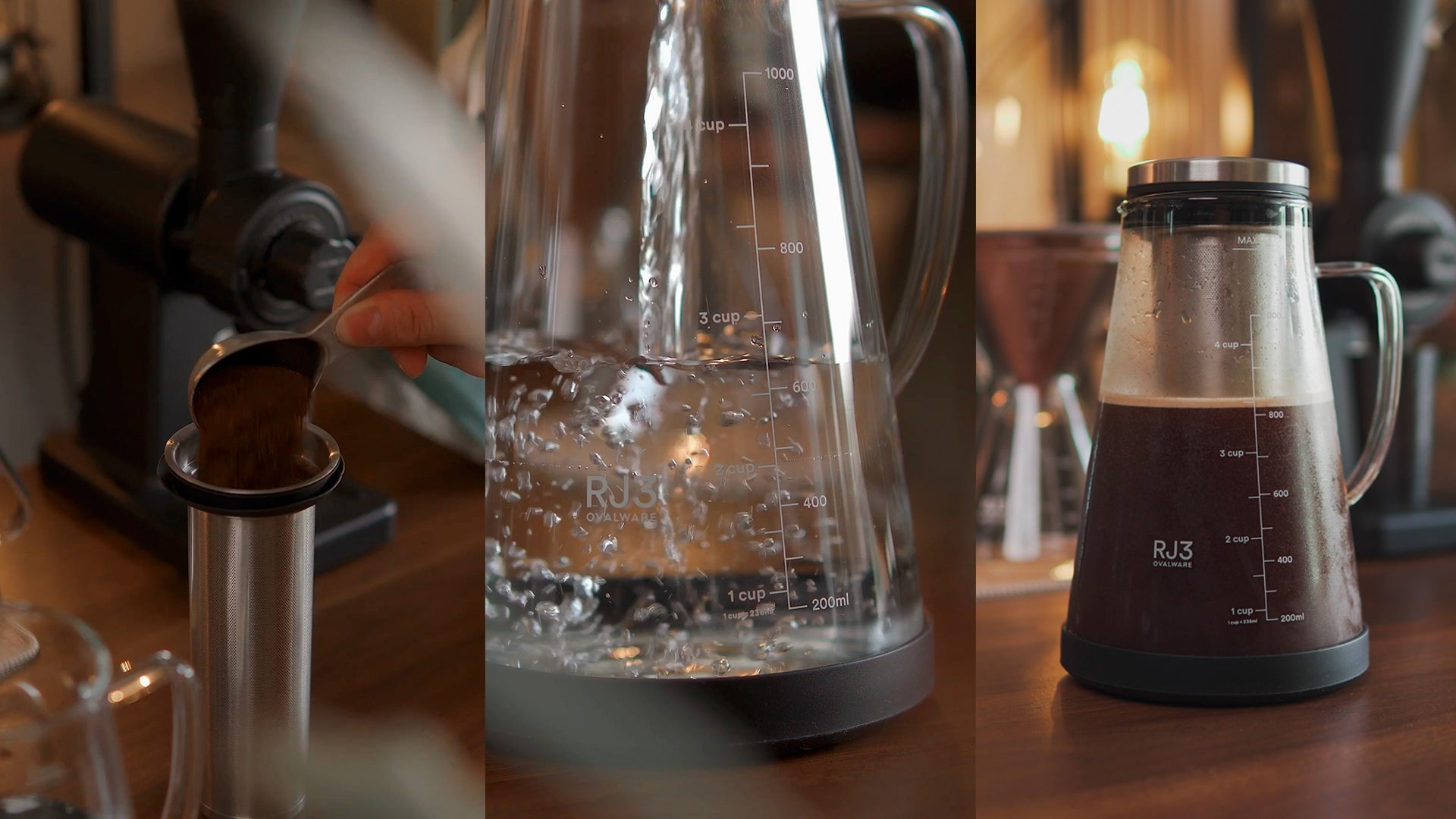
A cold brew maker is a container designed to steep coarsely ground coffee in cold or room temperature water for 12 to 24 hours, then filter out the grounds cleanly. Unlike a French press (which is repurposed for cold brew by some people), a dedicated cold brew maker has a fine mesh filter sized and shaped for the steeping process, an airtight lid for fridge storage, and a design that lets you serve directly from the same vessel you brewed in.
The result is a smooth, low-acid coffee concentrate or ready-to-drink batch that stays fresh in the fridge for up to 2 weeks. Research published in the Journal of Food Science found that cold brew has 60-70% less acidity than hot-brewed coffee , which is why it's easier on the stomach and naturally sweeter without added sugar.
Glass vs. Plastic Cold Brew Makers: Which Is Better?
Glass is the better material for a cold brew maker , full stop. Borosilicate glass is taste-neutral, BPA-free by nature, doesn't absorb coffee oils or odors over time, and won't leach any compounds into your brew even after weeks of use. You can also see exactly what's happening with your brew, which matters for knowing when it's ready.
Plastic cold brew makers are cheaper, but come with real trade-offs. Even BPA-free plastics can contain other plasticizers , the FDA has acknowledged ongoing research into alternative bisphenols. More practically, plastic absorbs coffee oils and odors after repeated use, gradually tainting the flavor of future batches. A glass cold brew maker that's rinsed after each use produces a clean-tasting brew every time.
| Glass (Borosilicate) | Plastic | Stainless Steel | |
|---|---|---|---|
| Taste neutral | Yes | Degrades over time | Yes (if food-grade) |
| BPA-free | Naturally | Depends on brand | Yes |
| See your brew | Yes | Sometimes | No |
| Absorbs odors | No | Yes (over time) | No |
| Durability | High (borosilicate) | High | Very high |
| Dishwasher safe | Usually | Usually | Usually |
Filter Quality: The Most Overlooked Factor
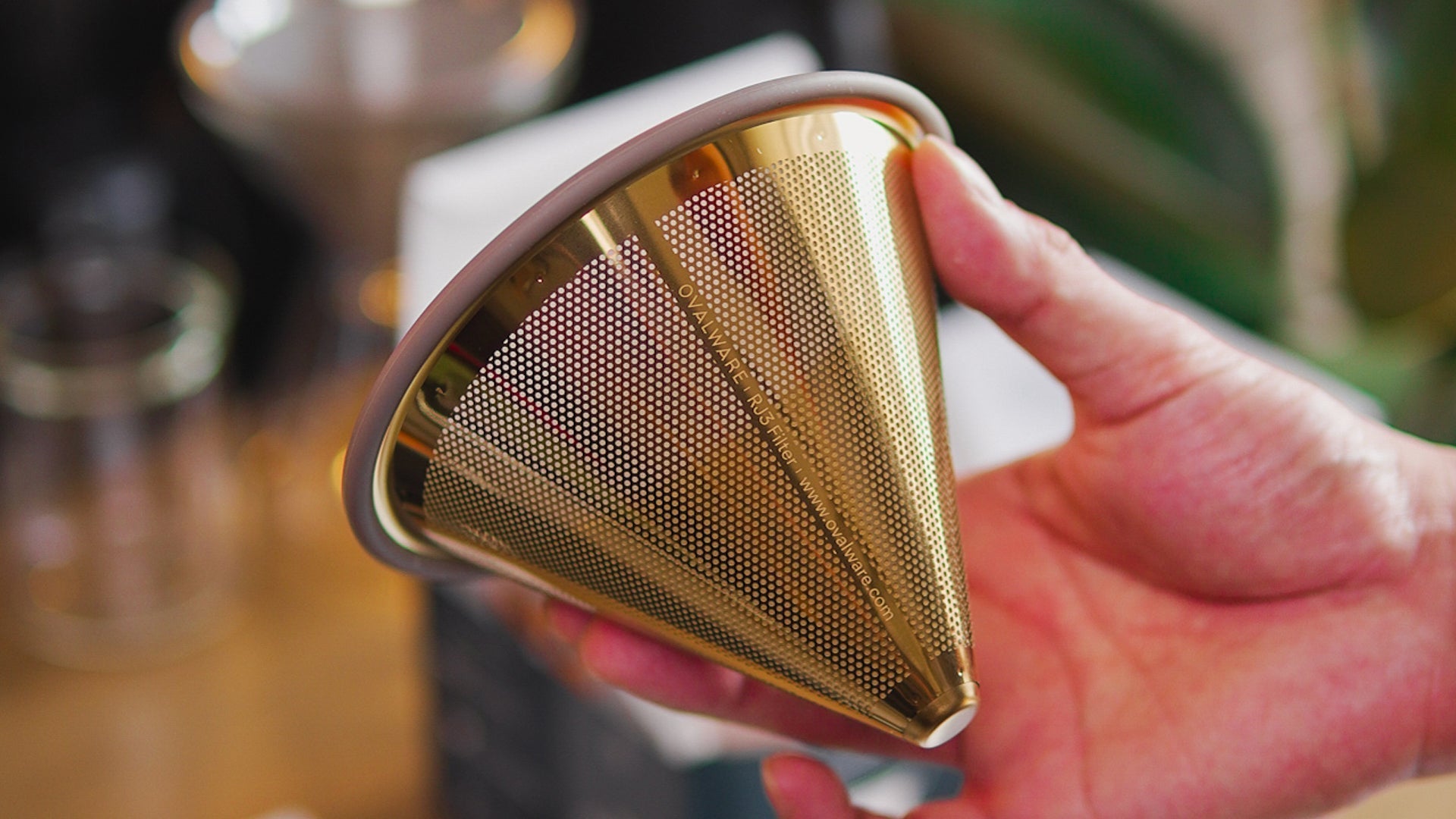
The filter is the most important component in a cold brew maker. A poor filter lets fine grounds slip through into your finished brew, producing a gritty, over-extracted batch. A good filter produces a clean, sediment-free cold brew with a smooth, even flavor.
Look for a stainless steel mesh filter with fine enough holes to trap coffee grounds without slowing extraction to a crawl. Nylon filters work but degrade over time and can impart an off-taste. Paper filters produce the cleanest brew but add ongoing cost and waste.
The Ovalware Cold Brew Maker uses an 18/8 stainless steel filter , the same grade used in food-safe kitchen equipment. It's fine enough to keep grounds out of the finished brew while allowing the natural oils that give cold brew its body and flavor to pass through freely.

Size: 1.0L vs. 1.5L , Which Should You Get?
Choose your cold brew maker size based on how much you drink in a week, not a day , since you're brewing in batches that last up to 2 weeks.
| Size | Yield | Coffee Needed | Best For |
|---|---|---|---|
| 1.0L (34 oz) | ~4-5 servings | 85g per batch | 1-2 people, light drinkers |
| 1.5L (50.7 oz) | ~6-8 servings | 110g per batch | 2-3 people, daily drinkers |
The 1.5L is the better value for most households , you brew less frequently and always have cold brew ready. The 1.0L is ideal if fridge space is limited or you drink cold brew occasionally rather than daily. Both sizes use the same brewing ratios and steep times.
For exact ratios and step-by-step instructions, see our cold brew brewing guide.
Airtight Seal: Essential for Freshness
Cold brew stored without an airtight seal oxidizes quickly , within 3 to 5 days the flavor starts to flatten and go stale. A properly sealed cold brew maker keeps your batch fresh for up to 2 weeks in the fridge, meaning you can brew once on Sunday and have great cold brew all week.
Look for a silicone gasket seal rather than a simple friction-fit lid. Silicone compresses to form a true airtight closure that holds through repeated opening and closing. The Ovalware Cold Brew Maker uses a BPA-free silicone airtight seal , the same pitcher you brew in seals directly for fridge storage, so there's no decanting or extra containers needed.

Fridge Fit and Stability
A cold brew maker lives in your fridge for 12 to 24 hours per batch , plus however long your brew lasts. It needs to fit without dominating shelf space and sit stably without tipping.
The Ovalware 1.0L measures 4.6" × 4.6" × 7.9" and the 1.5L measures 5.5" × 5.5" × 9.6" , both fit comfortably on a standard fridge shelf. A protective silicone base prevents sliding and protects both the glass and the shelf surface.

What Cold Brew Ratios to Use
The right coffee-to-water ratio makes the difference between a balanced, smooth cold brew and something too weak or too intense. Ovalware's tested ratios for ready-to-drink cold brew are 85g of coarsely ground coffee per 1,000ml of water (1.0L) and 110g per 1,500ml of water (1.5L). Steep for 12 to 18 hours in the refrigerator.
For a deeper breakdown of ratios across different brew methods, see our coffee to water ratio guide.
Cold Brew Beyond Coffee
A good cold brew maker isn't just for coffee. The same cold-steep method works for loose-leaf tea, chai, hibiscus, and other botanicals. The stainless steel filter handles tea leaves as effectively as coffee grounds. If you already drink cold brew regularly, you'll find yourself using the maker year-round for a wider range of cold-steeped beverages.
For inspiration, see our 11 cold brew pairings and recipes.
Frequently Asked Questions
What is the best cold brew maker?
The best cold brew maker for home use has a borosilicate glass body, a fine stainless steel mesh filter, an airtight silicone seal, and a fridge-friendly design. Glass is preferable to plastic because it's taste-neutral, naturally BPA-free, and doesn't absorb odors over time. The Ovalware Cold Brew Maker checks all of these , available in 1.0L and 1.5L at $40.99 and $46.99.
How long does it take to make cold brew?
Cold brew takes 12 to 18 hours of steeping time in the refrigerator. There's about 5 minutes of active preparation , measuring grounds, filling with water, and stirring. The rest is passive. Most people set it up before bed and have cold brew ready the next morning.
How much coffee do you use in a cold brew maker?
Use 85g of coarsely ground coffee per 1,000ml (1.0L) of water, or 110g per 1,500ml (1.5L). These ratios produce a smooth, ready-to-drink cold brew. Use an extra-coarse or coarse grind , similar to French press. Fine grounds over-extract during the long cold steep and produce bitterness.
Is a glass cold brew maker better than plastic?
Yes. Borosilicate glass is taste-neutral, naturally BPA-free, and doesn't absorb coffee oils or odors over time. Plastic cold brew makers are cheaper but can impart off-flavors after repeated use and may contain plasticizers even if labeled BPA-free. For a vessel that spends 2 weeks in contact with your food and drink, glass is the better long-term choice.
How long does cold brew last in the fridge?
Cold brew stored in an airtight container stays fresh in the refrigerator for up to 2 weeks. Without an airtight seal, it starts to oxidize and taste flat within 3 to 5 days. The Ovalware Cold Brew Maker's built-in silicone seal lets you brew and store in the same vessel , no decanting needed.
Shop Cold Brew Makers
| Cold Brew Maker , 1.0L / 34oz $40.99 Shop Now | Cold Brew Maker , 1.5L / 51oz $46.99 Shop Now |