Stainless Steel vs Paper Coffee Filters: Which Is Better for Your Brew?
The short answer: Stainless steel coffee filters produce a richer, fuller-bodied cup by allowing natural coffee oils to pass through , while paper filters trap those oils for a cleaner, brighter taste. Stainless steel filters are also reusable, eco-friendly, and cost less over time. The right choice depends on how you like your coffee to taste.

If you've ever wondered whether you should ditch paper filters for good, you're not alone. The debate between stainless steel and paper coffee filters comes down to a few key trade-offs: taste, convenience, cost, and environmental impact.
We make stainless steel coffee filters here at Ovalware, so we know the subject well. This guide breaks it all down so you can make the right call for your morning cup.
What Is a Stainless Steel Coffee Filter?
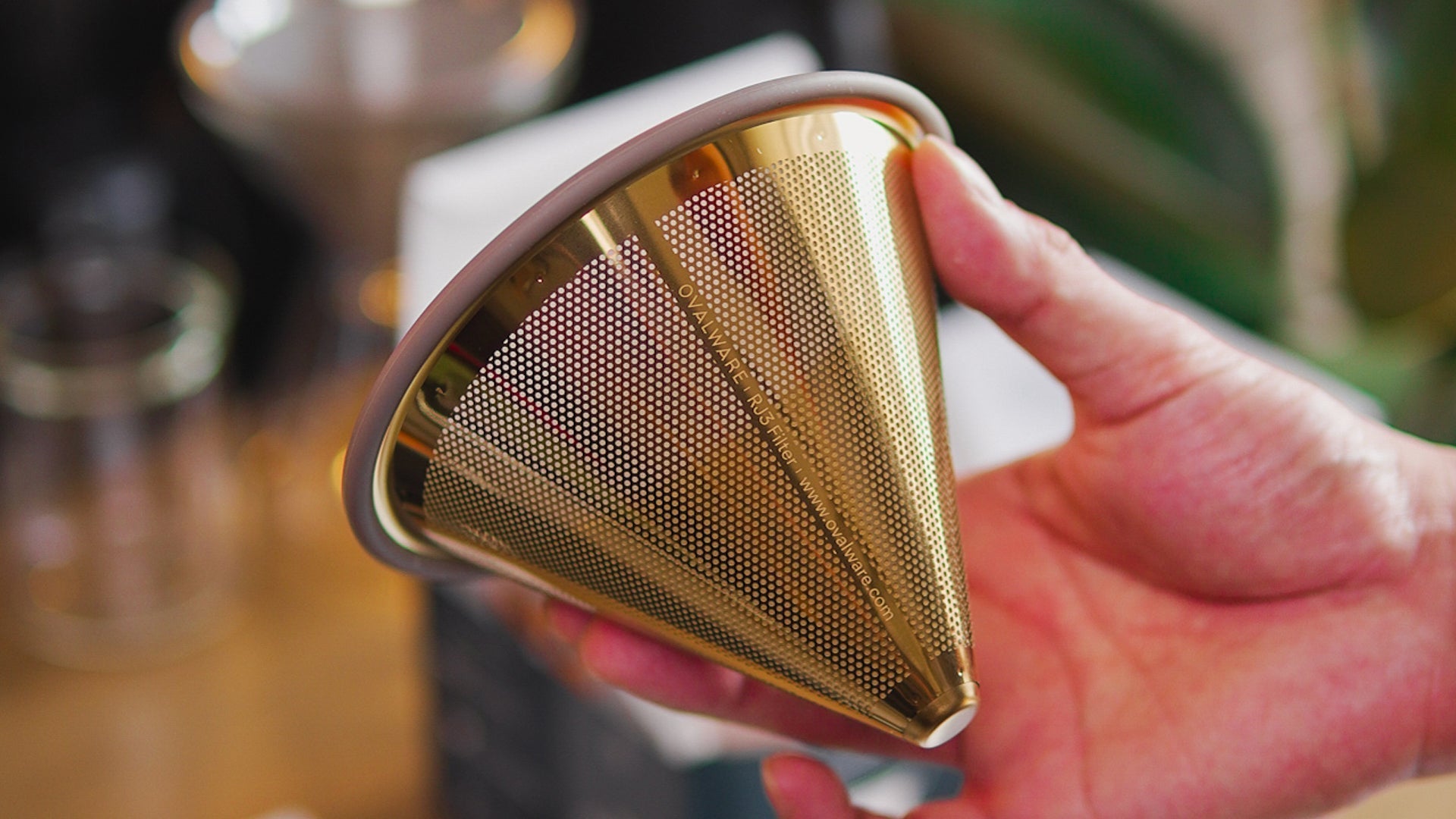
A stainless steel coffee filter is a reusable metal mesh filter that replaces single-use paper filters in pour over setups. The mesh is fine enough to hold back coffee grounds while letting brewed coffee flow through freely.
Most stainless steel filters are cone-shaped to fit standard pour over drippers. They come in different coatings , silver (natural stainless), gold (titanium), and rose gold are the most common , which are purely cosmetic. The brewing performance is the same across all finishes.
Stainless steel filters can also be called metal coffee filters, reusable coffee filters, or mesh coffee filters. They all refer to the same thing.
Stainless Steel vs Paper Coffee Filters: Key Differences

| Factor | Stainless Steel | Paper |
|---|---|---|
| Coffee flavor | Richer, fuller body , oils pass through | Cleaner, brighter , oils absorbed |
| Sediment in cup | Slight sediment possible | Zero sediment |
| Reusability | Reusable for years | Single-use only |
| Cost over time | One-time purchase (~$28) | ~$36-40/year ongoing |
| Environmental impact | Zero waste | Paper waste each brew |
| Ease of use | Rinse after use | Discard and replace |
| Bloom/pour control | Same as paper | Same as metal |
Does a Metal Filter Change the Taste of Coffee?
Yes , and for most specialty coffee drinkers, the change is a good one.
Coffee beans naturally contain oils called cafestol and kahweol. These oils carry a significant portion of the flavor compounds responsible for coffee's richness, chocolate notes, and mouthfeel. Paper filters are highly absorbent , they soak up most of these oils before the coffee reaches your cup.
Stainless steel mesh has much larger openings than paper pulp. Coffee oils pass right through, landing in your cup where they belong. The result is a cup that tastes denser, richer, and more complex , especially with single-origin beans or medium roasts where flavor nuance matters.
The trade-off: metal filters can let very fine coffee particles through, especially if your grind is too fine. You may notice a small amount of sediment at the bottom of your cup , similar to what you'd get with a French press. Most people find it completely acceptable, but if you want zero sediment, paper is the cleaner option.
Taste preference guide:
- Prefer bold, heavy, full-bodied coffee → stainless steel
- Prefer clean, bright, delicate coffee → paper
- Want zero sediment at all costs → paper
How to Use a Stainless Steel Coffee Filter
Using a stainless steel filter is nearly identical to using a paper filter , just skip the rinse step (no paper taste to wash out).
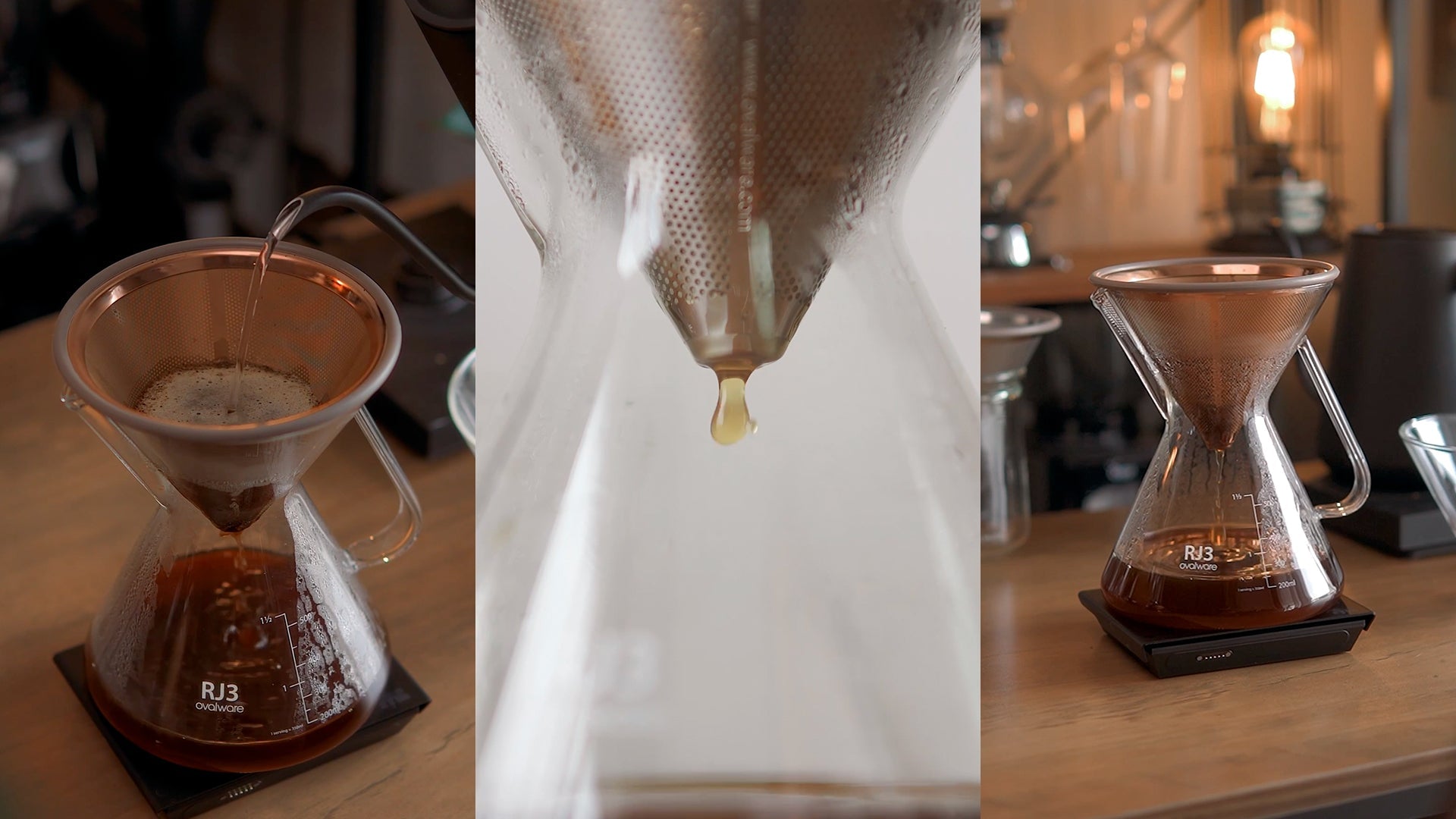
- Place the filter in your pour over dripper.
- Add coffee grounds. Use a medium to medium-fine grind. Aim for a 1:15 coffee-to-water ratio (e.g., 15g coffee to 225ml water).
- Bloom the grounds. Pour a small amount of hot water (twice the weight of your grounds) over the coffee and wait 30 seconds. This releases trapped CO2 and improves extraction.
- Pour in slow, steady circles until you reach your target brew volume.
- Remove the filter once dripping stops. Rinse immediately under warm water.
That's it. The brewing process is the same , the difference is what ends up in your cup.
How to Clean a Stainless Steel Coffee Filter
Proper cleaning keeps your filter performing well and tasting neutral , you don't want stale coffee residue affecting your next brew.
After every use:
- Tap out coffee grounds into the compost or trash.
- Rinse immediately under warm running water, rubbing gently with your fingers.
- Let air dry completely before storing.
Weekly deep clean:
- Mix 1 tablespoon of baking soda into 1 cup of warm water.
- Soak the filter for 15-20 minutes.
- Rinse thoroughly under running water.
- Air dry.
Avoid dish soap regularly , soap residue can cling to the mesh and leave a faint soapy taste in your coffee. Baking soda is the better routine cleaner. For stubborn buildup, a small soft brush (like a clean toothbrush) works well to clear clogged mesh openings without damaging them.
Are Stainless Steel Coffee Filters Worth It?
For most daily coffee drinkers, yes , stainless steel is worth the switch. Here's the math:
- A box of 100 paper filters costs around $10. At 1 cup/day , 365 filters/year , that's about $36.50 per year.
- A quality stainless steel filter costs around $28 once and lasts years.
- Break-even point: under 10 months.
Beyond the savings, you get a richer-tasting cup and eliminate the ongoing task of buying and stocking paper filters. If you've ever run out of paper filters on a Monday morning, you already know the value of that.
The main case for sticking with paper: if you specifically prefer a very clean, light cup and want absolutely zero sediment, paper filters consistently deliver that. Some light roast and single-origin pour over drinkers prefer the clarity paper gives their coffee.
Our take: try a stainless steel filter for two weeks. If you don't like it, paper filters are always there. Most people don't go back.

 |
Ovalware Stainless Steel Coffee FiltersFine-mesh cone filters for pour over. Reusable, dishwasher-safe*, and available in Silver, Gold, Rose Gold, and Aura Silver. Fits most standard pour over drippers. $27.99 |
*Hand wash recommended to extend filter life.
Frequently Asked Questions
Are stainless steel coffee filters better than paper?
Neither is universally better , it depends on how you like your coffee. Stainless steel filters let natural coffee oils through, producing a richer, fuller-bodied cup. Paper filters absorb those oils for a cleaner, brighter taste. Both work well; it's a matter of personal preference.
Do metal coffee filters change the taste of coffee?
Yes. Metal filters allow coffee oils (cafestol and kahweol) to pass into your cup, resulting in a richer, heavier mouthfeel and more complex flavor. Paper filters absorb these oils, giving you a cleaner but sometimes thinner cup. Most specialty coffee drinkers prefer the fuller body that metal filters produce.
How do you clean a stainless steel coffee filter?
Rinse immediately after use under warm water. For a weekly deep clean, soak in warm water with a tablespoon of baking soda for 15-20 minutes, then rinse well. Avoid regular dish soap , it can leave residue that affects taste. A soft brush helps clear any clogged mesh openings.
How long do stainless steel coffee filters last?
With proper care, a quality stainless steel filter lasts 5-10 years or longer. Rinse immediately after every use and avoid abrasive scrubbing. The fine mesh is durable but can be damaged by harsh cleaning tools or strong detergents over time.