How to Make Protein Coffee at Home (That Actually Tastes Good)
Protein coffee has officially taken over. With over 20 million TikTok posts about "proffee" and Starbucks launching its own protein coffee range in September 2025, this isn't a passing fad , it's the way a growing number of coffee drinkers are starting their day. And once you know the cold brew method, you'll wonder why you ever did it any other way.
This guide covers exactly how to make protein coffee at home that actually tastes good , no chalky texture, no clumping, no weird aftertaste. We'll cover the best protein powder types, the strong cold brew method (the secret to a smooth result), hot and iced versions, and five variations worth trying.
What Is Protein Coffee , And Why Is Everyone Making It?
Protein coffee is exactly what it sounds like: coffee combined with protein powder or a pre-made protein shake. The drink , nicknamed "proffee" , started trending on TikTok around 2021, but it's hit a new peak in 2026 as functional beverages become a mainstream part of the health-conscious consumer's routine.
According to The Food Institute, the global protein beverages market is valued at $5.3 billion in 2026 and is on track to reach $10.7 billion by 2034. Consumer research firm The Hartman Group found that roughly 60% of Americans are actively working to increase their protein intake , and protein coffee is one of the easiest ways to hit that goal without eating a full meal.
The appeal is simple:
- You're already making coffee every morning
- You already need protein
- Cold brew + protein shake = one drink that handles both
Done right, it tastes like an iced mocha. Done wrong, it tastes like a gym locker room. The difference is almost entirely in how you make it.
The Best Protein Powder for Coffee (What Actually Mixes Well)
Not all protein powders work in coffee. The biggest problem: clumping and curdling. Hot liquid and certain protein types don't mix cleanly, and even cold brew can cause some powders to seize up. Here's what actually works.
| Protein Type | Mixes With Cold Brew? | Mixes With Hot Coffee? | Flavor Profile | Best For |
|---|---|---|---|---|
| Whey protein concentrate | Yes , smooth | Can clump in heat | Creamy, mild | Cold brew versions |
| Whey protein isolate | Yes , very smooth | Moderate (stir fast) | Neutral, clean | Both hot and cold |
| Casein protein | Thickens , can work | Often clumps | Thick, creamy | Smoothie-style only |
| Plant-based (pea/rice blend) | Yes , mild graininess | Yes , blends better hot | Earthy, mild | Vegan options |
| Pre-made protein shake | Best option overall | Not recommended | Varies by brand | Simplest cold brew method |
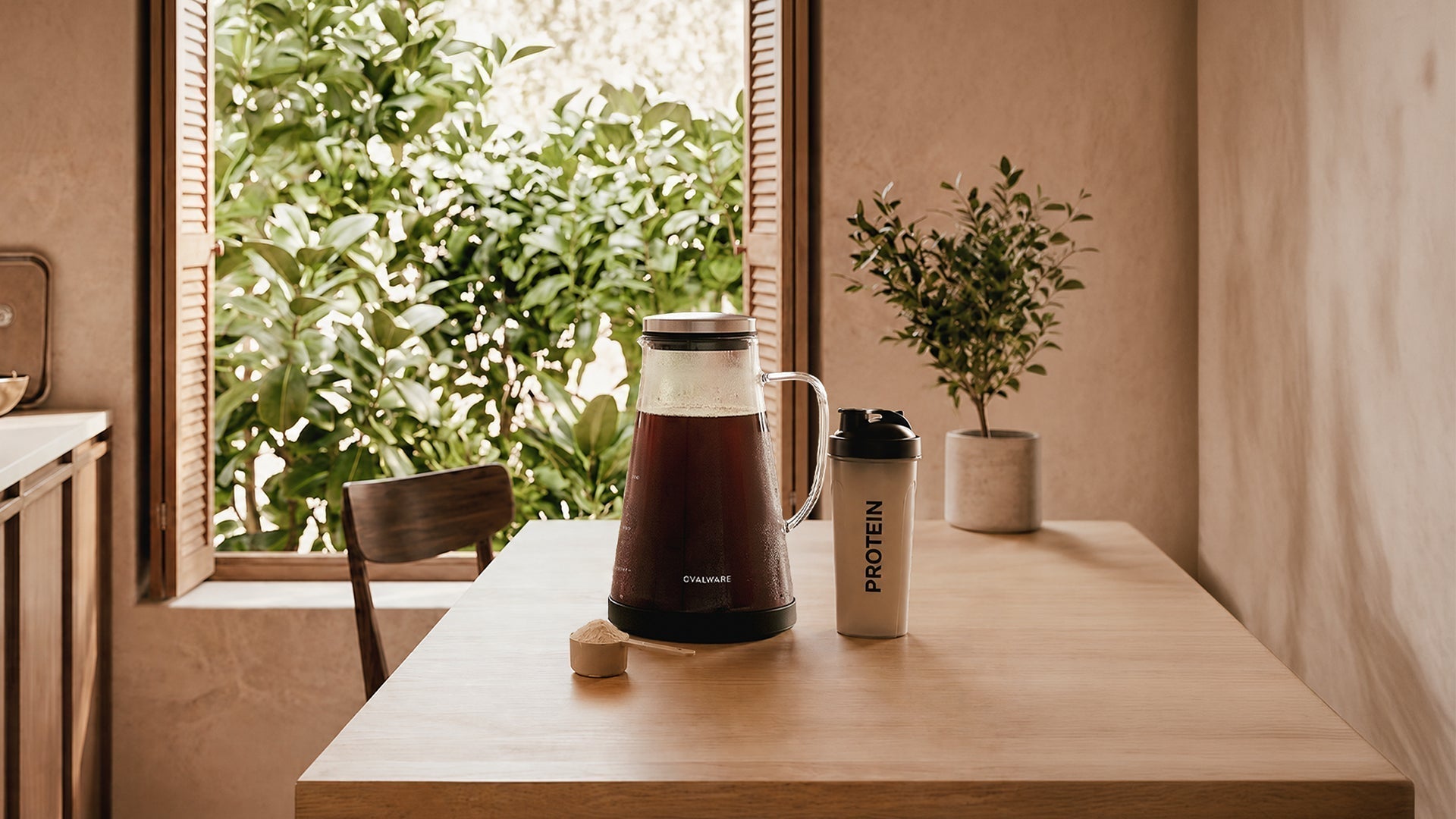
The simplest approach: Skip the powder entirely and use a pre-made chocolate or vanilla protein shake as the "milk" in your cold brew drink. Pour cold brew over ice, add the shake, stir. Done in 30 seconds. This is what most viral TikTok recipes actually use.
Best flavors that complement coffee: Chocolate, vanilla, mocha, caramel, and unflavored. Fruity or citrus protein powders are a hard no , they curdle immediately in cold brew.
How to Make Protein Coffee with Cold Brew (The Best Method)
A strong cold brew is the ideal base for protein coffee. It's smooth, low-acid, and concentrated enough that when you add a protein shake, you still get full coffee flavor , not a diluted mess. Cold brew has 30-70% less titratable acidity than hot-brewed coffee, according to a published study in Scientific Reports, which also means the protein powder is less likely to curdle.
Here's the full method:
What You Need
- Ready-to-drink cold brew (steeped overnight in the Ovalware Cold Brew Maker at 85g per 1L)
- 1 scoop protein powder OR 1 pre-made protein shake (250ml)
- Ice
- Optional: splash of oat milk or regular milk
- Optional: flavored syrup (vanilla, caramel, hazelnut)
Step-by-Step
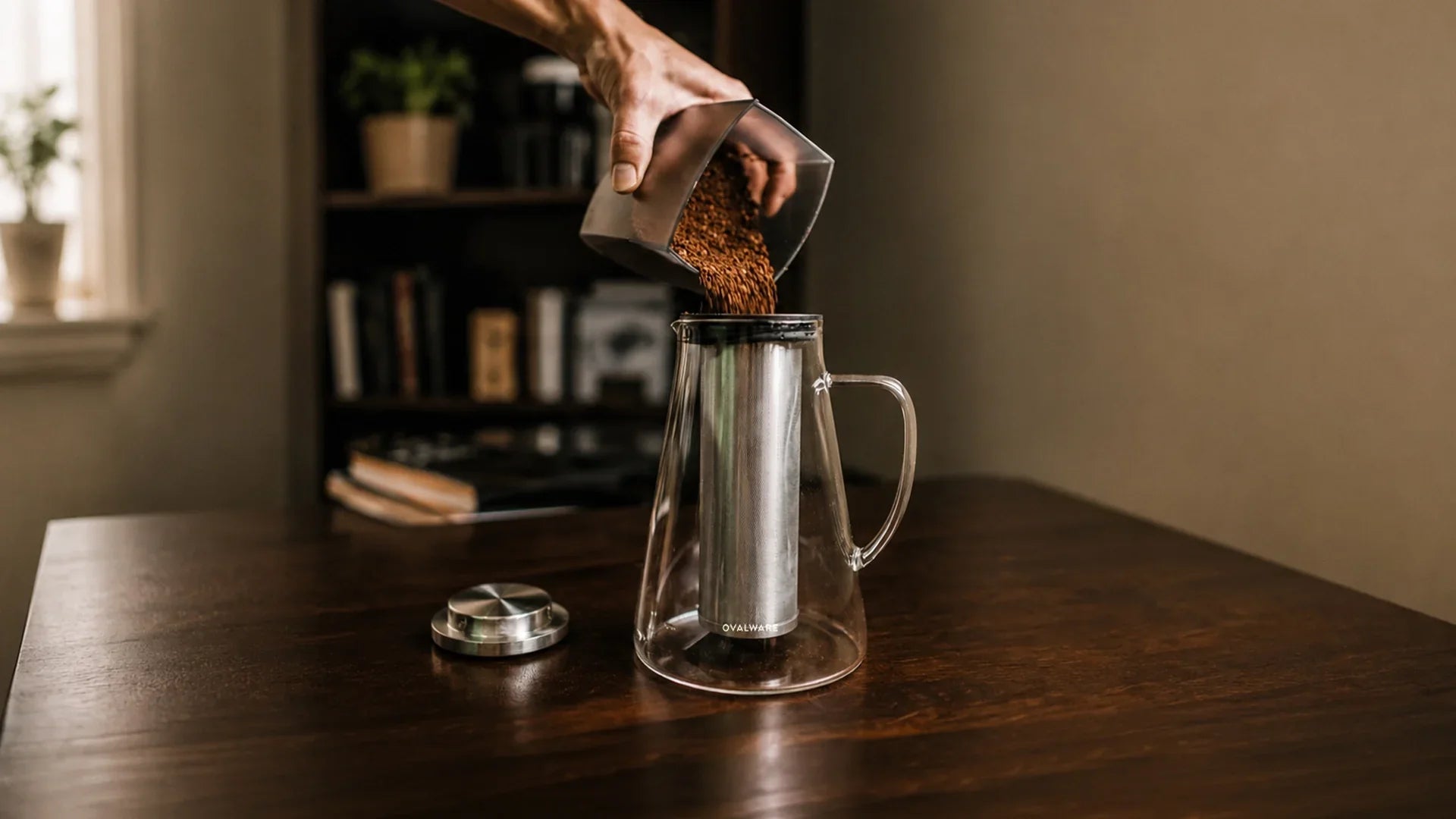
- Make your strong cold brew. Use the Ovalware ratio: 85g of coarse-ground coffee per 1 liter of water. Steep 12-18 hours in the fridge. A glass cold brew maker makes this effortless , steep overnight, strain in the morning, keep in the fridge for up to 2 weeks.
- Fill a glass with ice. A tall glass or mason jar works perfectly.
- Pour 150-200ml of cold brew over the ice. This is your coffee base , generous enough that the coffee flavor holds up when you add protein.
- Add your protein. Pour in the protein shake or add 1 scoop of protein powder with 150ml of milk or water. Stir vigorously, or shake in a blender bottle first if using powder.
- Taste and adjust. Want it stronger? Add a bit more cold brew. Want it creamier? Add a splash of oat milk. Need sweetness? A half-pump of vanilla syrup goes a long way.
Why strong cold brew? Regular brewed coffee , even iced , is too diluted to hold up against a protein shake. You end up with something that tastes more like chocolate milk than coffee. Concentrate keeps the coffee flavor front and center. You can check our guide on choosing the right cold brew maker if you're starting from scratch.
Protein target: Emerging research suggests that 25-30 grams of protein at breakfast is the threshold for meaningful muscle protein synthesis and satiety , enough to reduce ghrelin (the hunger hormone) for 3-4 hours post-meal. Most protein shakes hit 20-25g per serving, so this recipe gets you close without any extra effort.
How to Make Hot Protein Coffee
If you prefer your coffee hot, the technique is slightly different. The key is to let your coffee cool slightly before adding protein , boiling liquid denatures the protein and causes clumping.
Hot Protein Coffee Method
- Brew a strong cup of coffee (espresso or a strong pour over works best)
- Let it cool for 2-3 minutes until below 70°C / 160°F
- Add 1 scoop of whey isolate or a heat-stable plant protein
- Froth or blend immediately , don't just stir
- Add sweetener and milk to taste

The blender method is the most reliable for hot versions. Pour your coffee and protein into a blender and blend for 15-20 seconds. You get a frothy, latte-like texture without clumping. This also works great with collagen peptides, which are tasteless, colorless, and dissolve cleanly in hot or cold liquid.
5 Protein Coffee Variations to Try
Once you have the base method down, here's where it gets fun. These are the variations that have racked up the most views across fitness TikTok in 2025-2026:
1. Chocolate Mocha Proffee
Strong cold brew + chocolate protein shake + a splash of oat milk. Add a pump of chocolate syrup if you want it extra rich. This is the most popular version by far , tastes like a Frappuccino but hits 25g of protein.
2. Vanilla Latte Protein Coffee
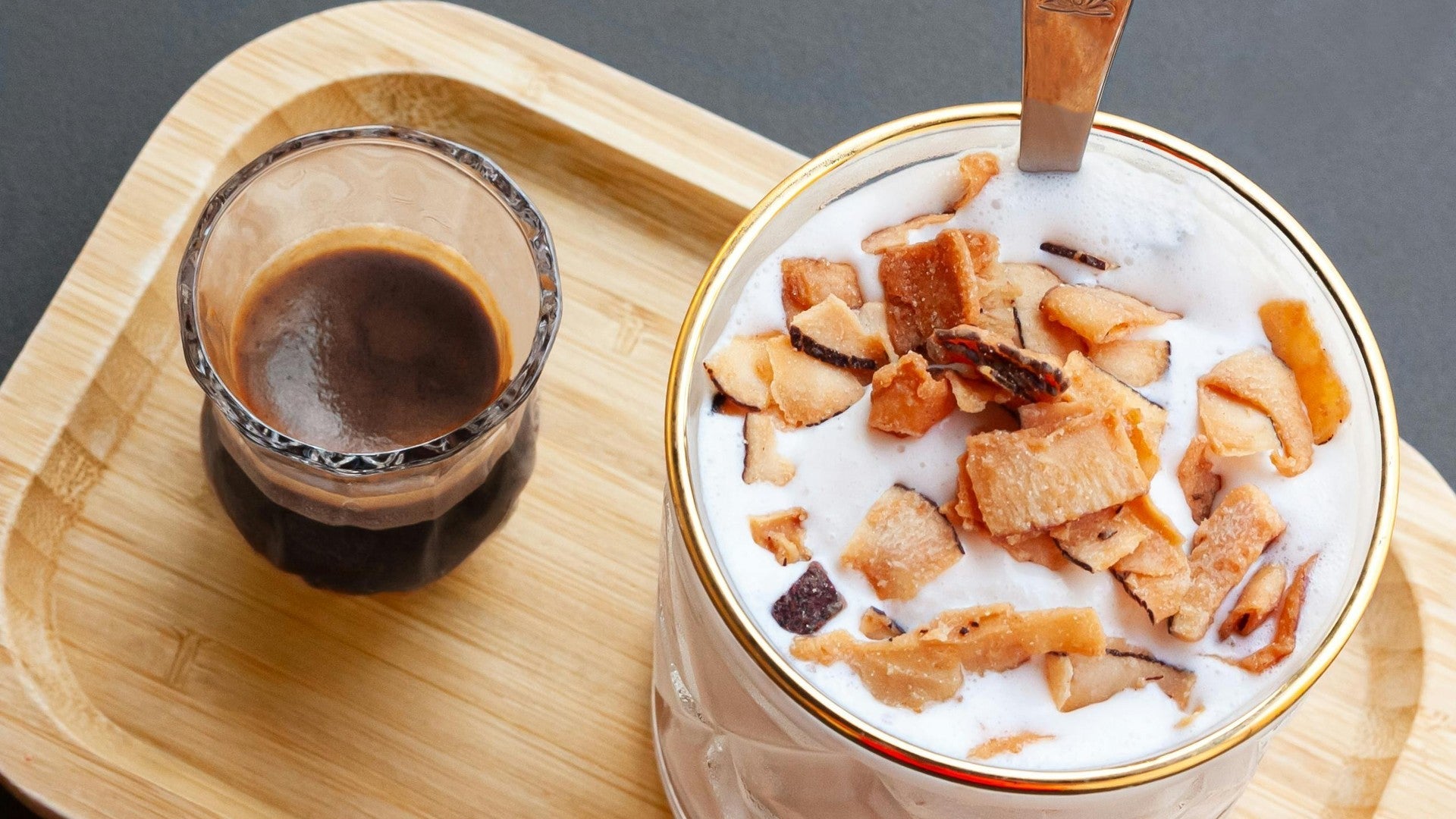
Cold brew + vanilla whey isolate + oat milk + ice. Use the Ovalware Latte Master Glass and you've got yourself a coffee-shop-worthy presentation at home.
3. Collagen Cold Brew
Add 1-2 scoops of collagen peptides to your cold brew and stir. Collagen is tasteless, dissolves instantly, and adds 10-20g of protein per scoop. Great if you want the protein boost without any flavoring. Works in hot coffee too.
4. Protein Iced Matcha Coffee
Strong cold brew + vanilla protein powder + a shot of matcha. The bitterness of the matcha pairs surprisingly well with the smooth, low-acid cold brew. This version is catching on fast in the wellness space.
5. Cinnamon Brown Sugar Proffee
Cold brew + unflavored whey isolate + oat milk + cinnamon syrup + a pinch of cinnamon. This is the one for people who love the Starbucks brown sugar shaken espresso. The cinnamon hides any protein powder aftertaste completely.
Is Protein Coffee Actually Good for You?
Yes , with some caveats. Protein coffee combines the well-documented benefits of caffeine (focus, alertness, metabolic support) with the satiety and muscle recovery benefits of protein. Healthline notes that the combination is nutritionally sound as long as you're not exceeding your daily calorie or protein budget.
A few things to watch:
- Total protein intake: Most adults need 0.8-1.6g of protein per kg of bodyweight per day. One proffee won't tip you over, but if you're adding multiple protein sources, track it.
- Added sugar: Pre-made protein shakes vary wildly in sugar content. Check the label. Flavored powders can also add 5-15g of sugar per scoop.
- Caffeine sensitivity: A standard serving of ready-to-drink cold brew (200ml at the Ovalware ratio) contains approximately 120-160mg of caffeine. If you're caffeine-sensitive, dilute accordingly or use decaf cold brew.
- Digestive timing: Some people find high-protein drinks harder to digest first thing in the morning. Start with a smaller scoop (15g) and work up.
According to BevNET's 2026 functional beverage report, major brands like Starbucks, Peet's, and Dutch Bros have all launched protein coffee products , which signals that the combination has moved firmly into mainstream acceptance, not just a niche fitness trend.
Frequently Asked Questions
What is the best protein powder for coffee?
Whey isolate is the most versatile , it mixes cleanly in both cold and hot coffee with minimal clumping. For cold brew specifically, a pre-made chocolate or vanilla protein shake works even better because it blends instantly and adds a creamy texture. Avoid casein and most plant proteins in hot coffee, as they tend to curdle.
Does protein coffee help with weight loss?
It can support weight management as part of a balanced diet. The protein component increases satiety and helps preserve muscle during a caloric deficit. The caffeine provides a small metabolic boost. But protein coffee is not a weight-loss product on its own , it's a high-protein, convenient breakfast option.
Can you make protein coffee the night before?
Yes, with some caution. Cold brew keeps for up to 2 weeks in the fridge. But once you add a protein shake, consume it within 24 hours , protein shakes can separate and degrade after that. A better approach: prep your cold brew in bulk, then mix in the protein fresh each morning. Takes about 60 seconds.
How much protein is in protein coffee?
It depends on your protein source. One scoop of most protein powders delivers 20-25g of protein. Pre-made protein shakes range from 15g to 30g per serving. A typical proffee (cold brew + one shake) lands at 20-25g of protein, usually between 150-200 calories.
Does caffeine affect protein absorption?
Current evidence does not show that caffeine interferes with protein absorption or synthesis. A 2020 study in the journal Foods on coffee chemistry found no evidence of harmful interactions between caffeine and protein compounds. The combination is widely used in sports nutrition.
The Easiest Way to Start: Make Cold Brew at Home
The single best upgrade you can make to your protein coffee routine is switching to homemade cold brew. Store-bought cold brew works, but it's expensive per serving and often contains additives. Homemade cold brew costs a fraction of the price, keeps for 2 weeks, and tastes better because you control the beans and ratio.
The Ovalware Cold Brew Maker is designed exactly for this , a borosilicate glass carafe with a stainless steel filter that holds 1 liter of strong cold brew. Steep overnight, pull the filter, and you've got 7-10 servings of cold brew ready to go. Pair it with your favorite protein shake in the morning and your proffee ritual takes 60 seconds flat.
For more ideas on what to mix into your cold brew, check our guide: What to Add to Cold Brew Coffee.
Key Takeaways
- A strong cold brew is the best base for protein coffee , smooth, low-acid, and strong enough to hold up against a protein shake
- Pre-made protein shakes mix the most cleanly; whey isolate is the best powder option
- Target 25-30g protein per serving for meaningful satiety and muscle support
- Hot protein coffee works , just let the coffee cool below 70°C before adding powder
- Homemade cold brew makes the whole habit cheaper and better