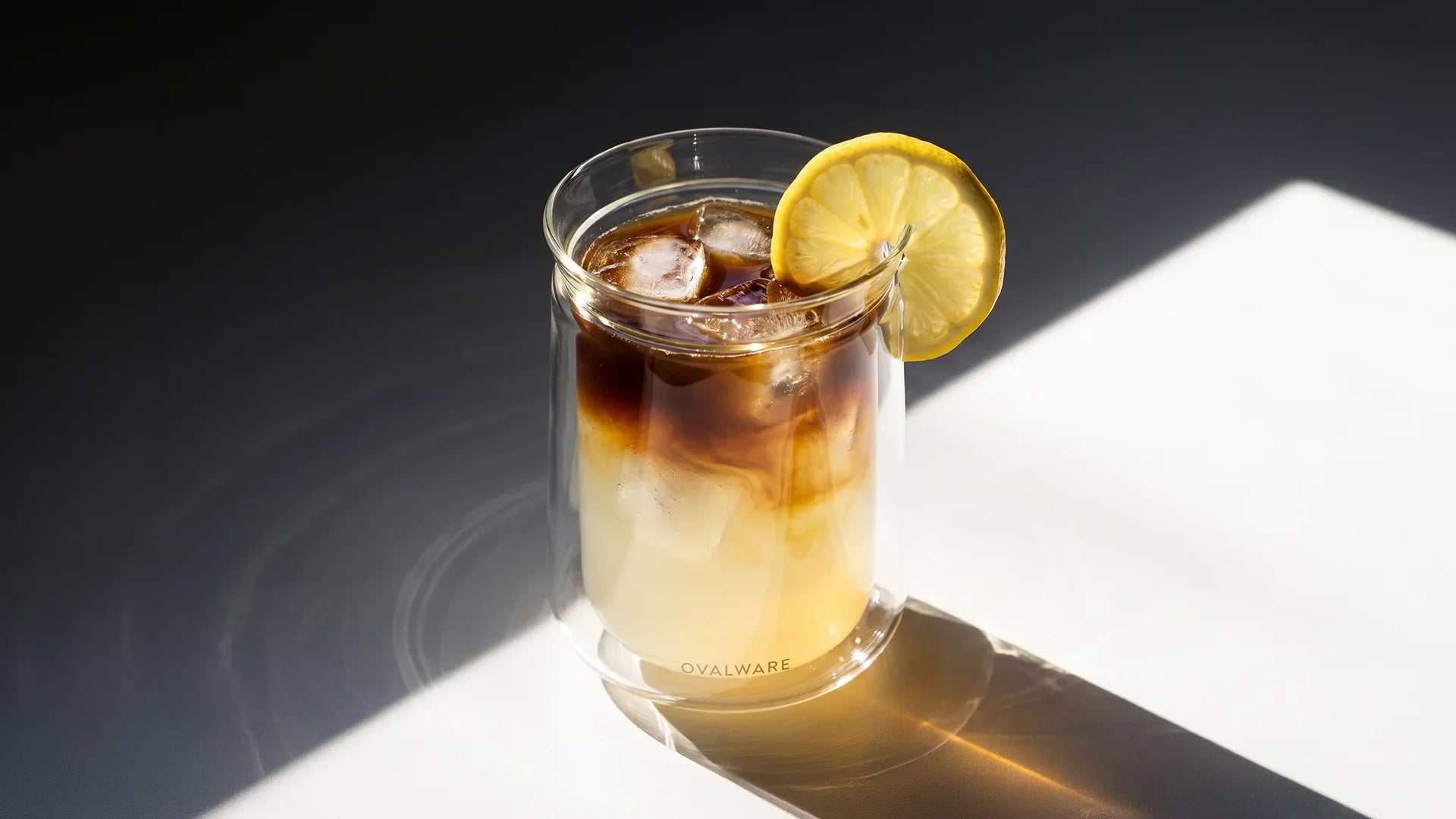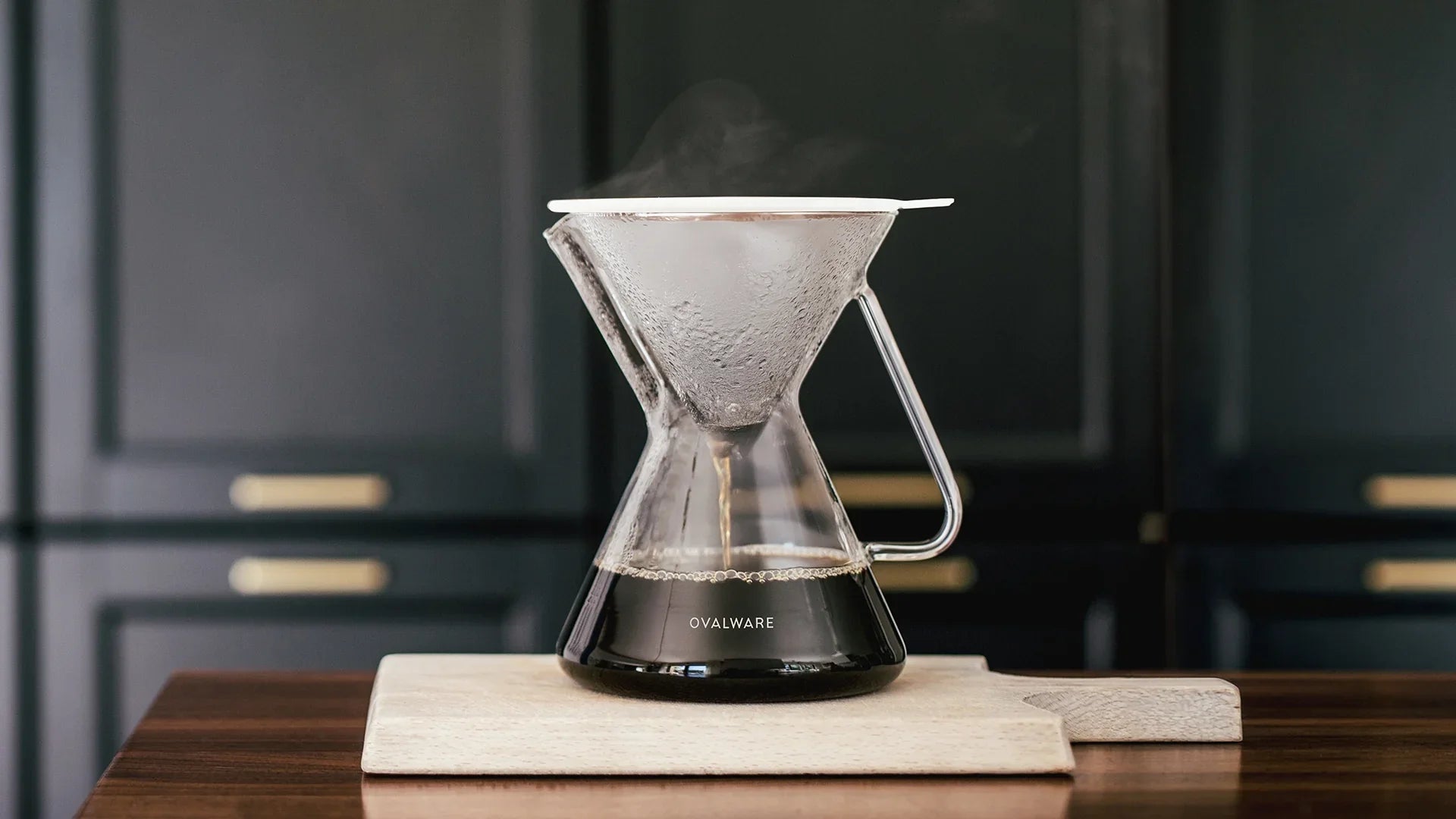
Best Coffee Beans for Cold Brew: What to Look For and Why It Matters
You can have the right gear, the right ratio, and the right steep time , and still end up with cold brew that's flat, thin, or oddly bitter. Nine times out of ten, the problem is the beans. Bean choice is the most underrated variable in home cold brew, and it's the one most guides gloss over with a vague "use a medium or dark roast" recommendation.
Cold brewing is a slow, gentle extraction process. It draws out different flavor compounds than heat-based methods, which means your beans need to have the right baseline qualities for cold water to work with. The wrong beans produce cold brew that tastes one-dimensional at best and harsh at worst. The right beans , in the right roast level, from the right origin , produce something smooth, naturally sweet, and complex that you'll want to drink every morning for a week.
Here's exactly what to look for, what to avoid, and why the roast level matters more than most people think.
Why Bean Choice Matters More in Cold Brew Than Other Methods
Cold water extracts differently than hot water. Heat dissolves compounds quickly , including the good (natural sugars, aromatics, bright acids) and the harsh (astringent compounds, bitter chlorogenic acids). Cold water extracts more slowly and selectively, drawing primarily the sweeter, larger compounds while leaving behind many of the harsher elements. This is why cold brew tastes smoother than the same beans brewed hot.
But this selectivity cuts both ways. If the bean lacks natural sweetness or body, cold water can't create it. It can only extract what's there. Research published in Food Chemistry (ScienceDirect) found that bean species had a greater impact on cold brew flavor than brewing conditions , meaning your bean choice matters more than your steep time or water temperature when it comes to what ends up in your glass.
Cold brew's mainstream growth has made this question more important: cold brew popularity has grown 300% since 2016, according to Supply Side Food Business Journal. As more people make their own at home, bean selection has become the variable that separates a forgettable home batch from something genuinely great.
Roast Level: The Most Important Variable
Medium to medium-dark roast produces the best cold brew for most people. This roast range has developed enough sweetness and body through the roasting process , caramelization of natural sugars, development of chocolate and nut notes , that cold water extraction enhances rather than fights the flavor. The result is balanced, complex cold brew that works black or with milk, with enough character to hold up over ice without tasting diluted.

Here's how each roast level behaves in cold brew:
| Roast Level | Cold Brew Flavor Profile | Best For | Watch Out For |
|---|---|---|---|
| Light roast | Bright, floral, fruity, complex | Black cold brew, specialty sipping, fruity flavors | Can taste thin or sour; needs longer steep (16-18 hours) |
| Medium roast | Balanced , chocolate, caramel, natural sweetness | Most cold brew drinkers; works black or with milk | Most forgiving; the safest starting point for beginners |
| Medium-dark roast | Rich, bold, chocolate-forward, lower acidity | Strong cold brew, cold brew with cream | Very little; excellent choice that benefits from cold extraction |
| Dark roast | Smoky, earthy, heavy body, minimal brightness | Cold brew with heavy milk, cream-heavy drinks | Can turn bitter or ashy at longer steep times; less versatile |
The Takeout's analysis of roast levels for cold brew reaches the same conclusion: medium roast is the most versatile and forgiving option. Dark Horse Coffee Company points out that medium-dark roast hits a sweet spot where the body and sweetness developed during roasting benefit specifically from cold water's selective extraction , you get all the good without the harshness that hot brew would pull. Bare Brew's 2026 cold brew bean guide recommends starting with medium roast and experimenting from there once you understand your own preferences.
Arabica vs Robusta: Always Choose Arabica
100% Arabica beans consistently produce better cold brew than Robusta or blended beans. Arabica has a more complex flavor structure, higher natural sweetness, and lower levels of the harsh compounds that cold brewing tends to amplify in lesser beans.
Robusta beans , which appear in many commercial espresso blends and budget supermarket coffees , contain roughly twice the caffeine of Arabica and significantly higher levels of bitter, astringent compounds. Research published in Food Chemistry (ScienceDirect) found that bitterness and astringency were the dominant characteristics of Robusta cold brews, while Arabica cold brews were more complex, sweeter, and more aromatic. Cold brewing's gentle extraction does Arabica a favor. It does Robusta no favors at all.
As Cafely's guide on best coffee for cold brew notes, bean species has more impact on your final cold brew than any other single variable. This makes the "100% Arabica" label on the bag your first filter , not a nice-to-have.
How to check: if the bag says "100% Arabica," you're in range. If it just says "coffee" or "premium roast" with no bean type listed, assume it contains Robusta filler and choose something else. Specialty coffee roasters always disclose bean species because it's something quality-conscious buyers care about.
Origin: Where the Beans Come From Matters
Beyond roast level and species, where beans are grown shapes their underlying flavor , and certain origins are reliably excellent for cold brew.

Colombia , The Most Reliable Cold Brew Origin
Colombian Arabica is widely considered the most dependable cold brew bean for home brewers. The country's high-altitude growing conditions produce beans with natural chocolate, caramel, and mild fruit notes , exactly what cold extraction brings forward. Colombian cold brew is balanced and approachable, neither overly complex nor boring. That's Cold Brew consistently ranks Colombian single-origin as their most recommended cold brew starting point.
Ethiopia , For Complex, Fruity Cold Brew
Ethiopian Arabica beans , especially from Yirgacheffe and Sidama growing regions , are exceptional for cold brew drinkers who want something more adventurous. These beans carry natural blueberry, jasmine, and citrus notes that cold water extraction preserves beautifully. Ethiopian cold brew drunk black can taste almost like fruit-infused coffee , distinctive and genuinely interesting. Bare Brew's 2026 guide highlights Ethiopian origins as their top pick for specialty-style, complex cold brew.
Brazil , Full Body, Chocolate Notes
Brazilian Arabica is the other reliable workhorse. Lower in acidity, higher in body, with pronounced chocolate and nut notes , Brazilian beans make cold brew that's approachable, smooth, and satisfying with or without milk. Less complex than Ethiopian, more straightforward than Colombian. Excellent for daily drinkers who want consistency over novelty.
Guatemala and Honduras , Underrated Choices
Both origins produce Arabica with natural sweetness, mild acidity, and reliable caramel-chocolate character. Tasting Table's guide to cold brew beans recommends Central American origins broadly as dependable choices for smooth, balanced home cold brew.
Sumatra , For Heavy Body and Earthiness
Sumatran Arabica is earthy, full-bodied, and low in acidity , which makes it interesting for cold brew drinkers who want something distinctly different from the chocolate-caramel mainstream. Drink it black for the full effect. It won't work as well with milk as it overpowers delicate dairy flavors. A specialty choice, not a beginner choice.
What to Look for on the Bag
| Label Claim | What It Means for Your Cold Brew |
|---|---|
| 100% Arabica | Essential. Non-negotiable. Robusta makes cold brew harsh and bitter. |
| Medium or medium-dark roast | Ideal for most people. Enough sweetness and body for cold extraction to work with. |
| Roast date (not "best by" date) | Look for within 2-6 weeks of roast. Stale beans make flat, empty cold brew. |
| Single-origin | Usually higher quality and more traceable than anonymous blends; great for exploring flavor. |
| Colombia / Ethiopia / Brazil | Top origins for cold brew. Guatemala and Honduras also excellent. |
| Tasting notes: chocolate, caramel, nut, fruit, brown sugar | These notes translate well in cold brew. Notes like "smoky" or "earthy" are flags , intentional only if you want that. |
| "Espresso roast" or "dark roast blend" | Proceed with caution. Often contains Robusta filler; always check for "100% Arabica." |
What to Avoid When Buying Beans for Cold Brew
Pre-ground coffee: Most pre-ground coffee is ground too fine for cold brew and goes stale quickly once the bag is opened. Fine grounds seep through filters, creating gritty, bitter cold brew. Always buy whole beans and grind coarse right before brewing.
Very dark or over-roasted beans: Beans that have been roasted past medium-dark lose their origin character entirely and develop harsh, ashy, smoky notes that amplify unpleasantly at cold brew steep times of 14+ hours. Tasting Table notes that very dark roasts work with generous amounts of cream but are not ideal for drinking black or as a base for something lighter like cold brew lemonade.
Beans without a roast date: If a bag lists only a "best by" date, you have no idea when it was roasted. Coffee loses its most volatile aromatics within 4-6 weeks of roasting. Old beans make flat cold brew , no brightness, no complexity, nothing that distinguishes one origin from another. Always buy from roasters who publish the roast date.
Budget blends labeled "espresso roast": Many mass-market espresso blends contain Robusta. The term "espresso roast" describes the roast level or intended use , not bean species. Check explicitly for "100% Arabica." If it isn't on the bag, don't assume it.
The One Technique Error That Ruins Good Beans
Even the best beans won't save a bad grind. Cold brew requires coarse ground coffee , similar in texture to raw sugar or coarse sea salt. The fine grounds that work in drip coffee or espresso over-extract during a 12-18 hour steep and produce harsh, bitter results regardless of bean quality.

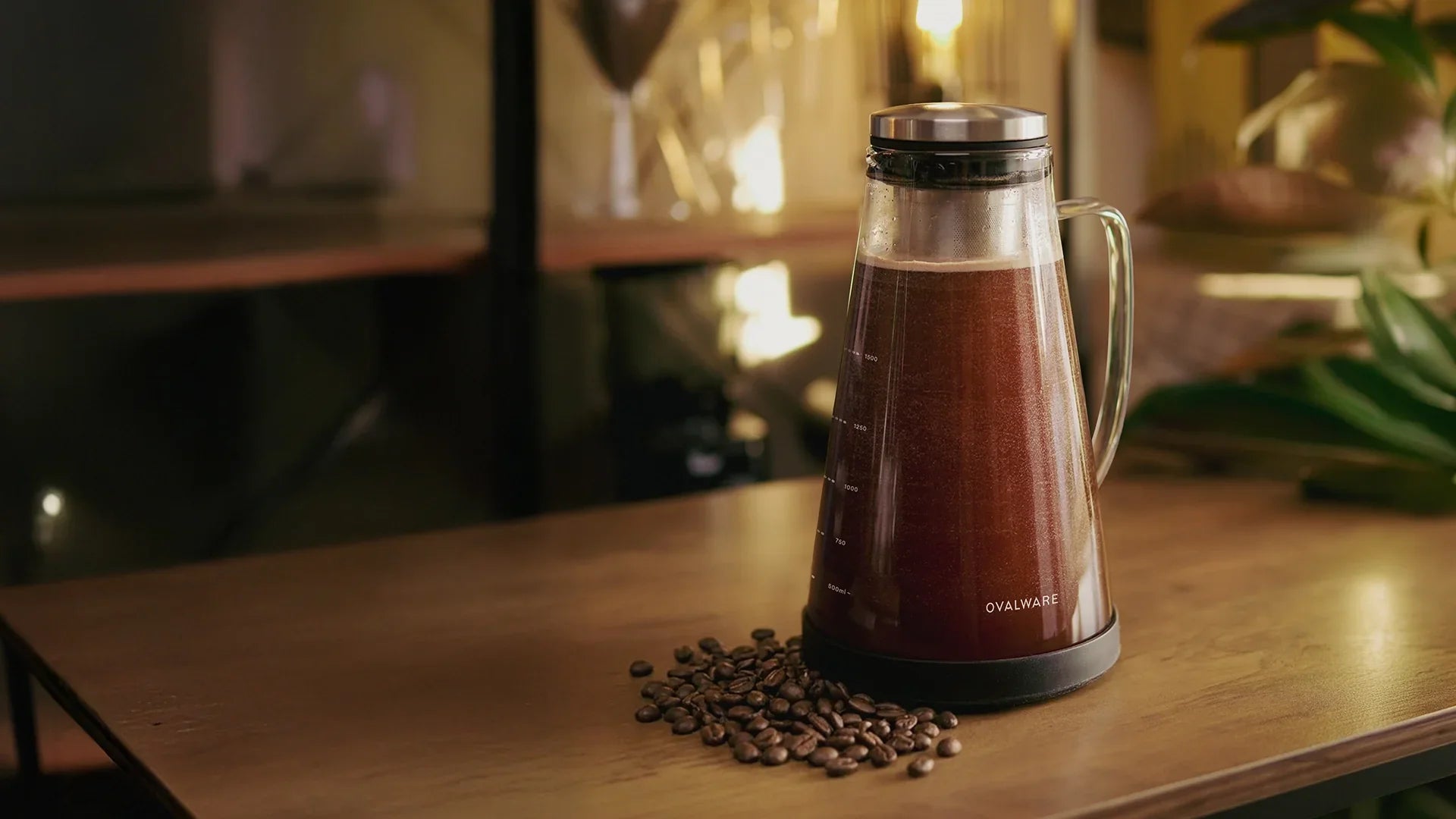
The Ovalware Cold Brew Maker has a fine-mesh stainless steel filter built in. For the cleanest cup:
- Grind coarse , if grounds seep through the filter, go extra coarse
- Use 85g per 1 liter (1.0L maker) or 110g per 1.5 liters (1.5L maker). This produces ready-to-drink cold brew with no dilution needed before serving.
- Steep 12-18 hours in the fridge. The sealed lid keeps fridge odors out during the steep. The carafe's borosilicate glass handles temperature shifts from fridge to counter without stress.
For a complete breakdown on grind size and what happens to your extraction when you get it wrong, see the cold brew grind size guide. For troubleshooting specific flavor problems , bitter, sour, flat, or weak , the guide to why your cold brew tastes bitter covers the most common causes and their fixes.
Want to experiment with decaf beans? The same rules apply , medium roast, 100% Arabica, coarse grind. Decaf cold brew is a genuine option for people who want the flavor and ritual without the caffeine, especially in the evening.
| Ovalware Cold Brew Maker | |
|---|---|
| Size options | 1.0L / 34oz ($40.99) or 1.5L / 51oz ($46.99) |
| Filter | Fine-mesh stainless steel , built in, no paper filters needed |
| Carafe material | Borosilicate glass , microwave safe, dishwasher safe |
| Grind size | Coarse , similar to coarse sea salt or raw sugar |
| What it makes | Ready-to-drink cold brew , no dilution before serving |
| Steep time | 12-18 hours fridge / 8-12 hours room temp |
| Free shipping | US orders $65+ |
Frequently Asked Questions
What roast is best for cold brew coffee?
Medium to medium-dark roast is best for most people. This roast range develops enough sweetness, chocolate, and caramel character that cold water extraction enhances rather than fights the flavor. Light roast cold brew works well for a more complex, fruity cup but requires a longer steep (16-18 hours) and is better enjoyed black. Very dark roasts can turn bitter or ashy at longer steep times.
Should I use Arabica or Robusta beans for cold brew?
100% Arabica , without exception. Research published in Food Chemistry found that Arabica cold brews are sweeter, more complex, and more aromatic than Robusta. Robusta produces harsh, bitter, astringent cold brew due to higher caffeine content and more bitter compounds. Always confirm "100% Arabica" on the bag before buying.
What origin makes the best coffee beans for cold brew?
Colombia, Ethiopia, and Brazil are the most reliable cold brew origins. Colombian and Brazilian beans produce balanced, chocolate-caramel cold brew that works for most people. Ethiopian beans produce a more complex, fruity, floral cup , best enjoyed black. Guatemala and Honduras are also excellent choices with natural sweetness and mild acidity.
Can I use light roast beans for cold brew?
Yes, with adjustments. Light roast cold brew is more delicate and requires a longer steep , 16 to 18 hours , for full flavor extraction. It's best enjoyed black, as milk can overwhelm the subtle fruit and floral notes. It won't hold up as well as medium roast when paired with cream or sweetener. Start with medium roast if you're new to home cold brew.
How coarse should I grind coffee beans for cold brew?
Coarse , similar to raw sugar or coarse sea salt in texture. Cold brew steeps for 12-18 hours, so fine grounds over-extract quickly and create bitter, harsh cold brew. With the Ovalware Cold Brew Maker, use 85g per liter for the 1.0L maker or 110g per 1.5 liters for the 1.5L maker. If grounds seep through the stainless steel filter, go extra coarse and try again.
The Bottom Line
The winning formula for home cold brew beans is straightforward: 100% Arabica, medium to medium-dark roast, within 4-6 weeks of roast date, from Colombia, Ethiopia, or Brazil. Whole beans, ground coarse. Steep 12-18 hours. The beans do most of the work , your job is to give them the right conditions.
The Ovalware Cold Brew Maker handles the rest. The sealed lid keeps things clean and odor-free during the steep. The stainless steel filter means no paper filters and no fine grounds in your cup. The borosilicate glass carafe goes from fridge to table as a serving vessel. Start with Colombian medium roast, dial in your grind, and you'll have a cold brew that holds its own against anything you'd pay $6 for at a café , and enough of it to last the whole week.