How to Make a Cortado at Home (No Espresso Machine Required)
The cortado is one of the most consistently ordered drinks at specialty coffee shops across the US, and one of the least understood. Not a latte. Not a macchiato. Not an americano with milk. It's a drink with a very specific ratio, a very specific texture, and a very specific purpose: it gives you the full intensity of espresso while taking the edge off with just enough steamed milk to smooth it out.
The good news is that you don't need an espresso machine to make one at home. This guide covers what a cortado actually is, how to make it without an espresso machine, and what tools make the process easier.
What Is a Cortado?
Quick answer: A cortado is equal parts espresso and steamed milk, served in a small glass (typically 120-150ml total). The milk is steamed but not heavily frothed. The ratio is roughly 1:1, espresso to milk. The result is bold coffee with a smooth, velvety texture but no foam cap.
The name comes from the Spanish verb "cortar," meaning to cut. The idea is that the milk cuts the intensity of the espresso without drowning it. You still taste the coffee clearly. The milk just softens the edges.
A cortado typically uses a double espresso shot (about 60ml) combined with 60ml of steamed milk. Total volume: around 120ml. Compare that to a latte, which typically runs 240-360ml with a much higher milk-to-coffee ratio. The cortado is short, concentrated, and much more coffee-forward.
In Spanish coffee culture, the cortado is a workhorse drink, the midday pick-me-up ordered at the bar. In US specialty coffee, it's gained a reputation as the drink for people who love espresso but want just a touch of milk texture.
Cortado vs Latte vs Macchiato: The Key Differences
Quick answer: A cortado is 1:1 espresso to milk (about 120ml total). A latte is 1:3 or more, with a thick foam layer (240-360ml total). A macchiato is espresso with just a dot of foam or a tiny pour of milk (30-60ml total). The cortado sits between the macchiato and the latte.
| Drink | Espresso | Milk | Total Volume | Foam? |
|---|---|---|---|---|
| Macchiato | 30ml | 5-10ml | 35-40ml | Light foam dot |
| Cortado | 60ml | 60ml | 120ml | Minimal to none |
| Flat White | 60ml | 90-120ml | 150-180ml | Thin microfoam layer |
| Cappuccino | 60ml | 60ml milk + 60ml foam | 180ml | Thick foam cap |
| Latte | 60ml | 180-300ml | 240-360ml | Thin layer |
The cortado's defining feature is proportion. The milk is there to complement the coffee, not to carry it. If you like big milk drinks, a cortado is not your drink. If you want to taste the espresso clearly with just a softening effect, it's ideal.
How to Make Espresso at Home Without an Espresso Machine
Quick answer: Use a moka pot, AeroPress, or very strong drip coffee as your espresso substitute. None of these produce true 9-bar espresso, but they produce a strong, concentrated coffee that works well in a cortado.
Moka Pot (Best Option)
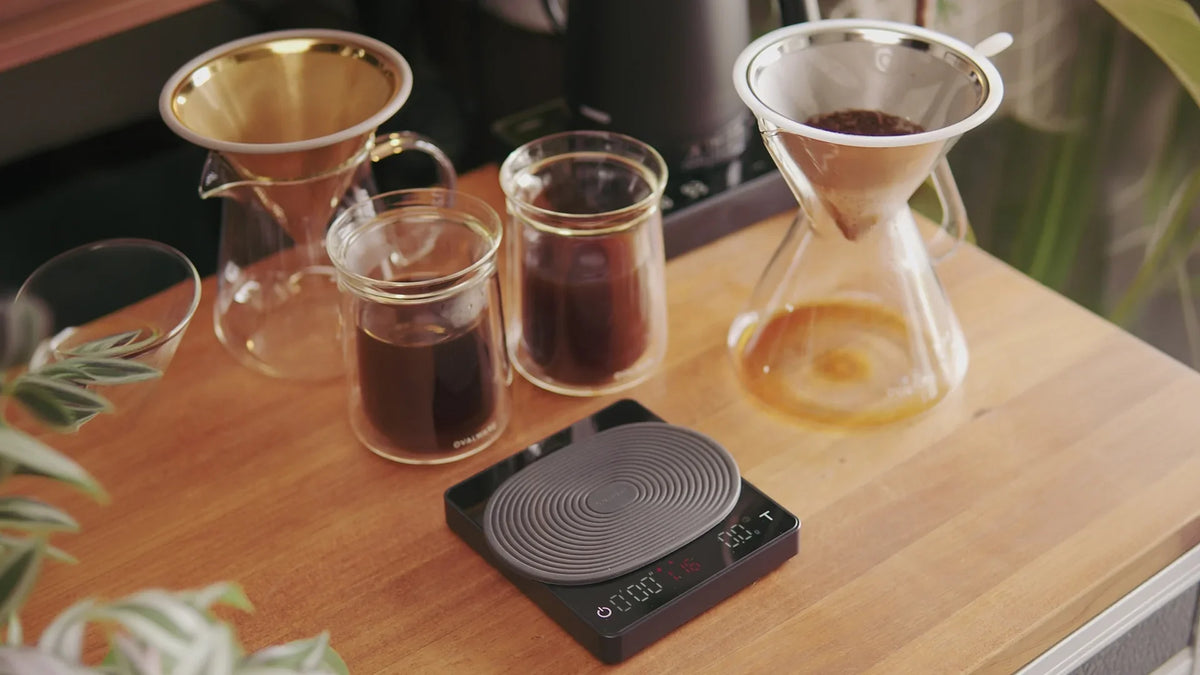
The moka pot is widely considered the best espresso machine substitute for home use. It brews at a lower pressure than a commercial espresso machine (roughly 1-2 bar versus 9 bar), but it produces a thick, concentrated coffee with a similar intensity and flavor profile.
- Use fine-to-medium grind (finer than pour over but not espresso-fine)
- Fill the water chamber to just below the pressure valve
- Pack the filter basket level, don't tamp hard
- Heat on medium-low until you hear the bubbling sound
- Remove from heat before the sputtering stage to avoid bitterness
- A 3-cup moka pot yields about 60-80ml, which is perfect for a cortado
AeroPress (Versatile Option)
The AeroPress can produce a strong, espresso-style concentrate when brewed with less water. Use about 15-17g of finely ground coffee with 50-60ml of water, steep for 1 minute, and press slowly. The result is bold and concentrated, though lighter-bodied than a true espresso shot.
Strong Drip or Cold Brew (Lighter Result)
You can use double-strength drip coffee or cold brew as the base. The flavor won't be identical to espresso, but for a casual home cortado, it works. Cold brew in particular has a smooth, rounded bitterness that pairs well with milk. Use about 60ml of strong cold brew as your base, then add the steamed or warmed milk. For cold brew basics, see our guide to the best coffee beans for cold brew.
How to Steam Milk Without an Espresso Machine
Quick answer: Heat milk to 60-65C (140-149F), then froth with a handheld electric frother, a mason jar shake, or a French press pump. You won't get the same microfoam as a steam wand, but you can get close enough for a home cortado.
Handheld Electric Frother
Inexpensive (usually $10-15), easy to use, and the most consistent result for home baristas. Heat the milk on the stove or in the microwave first, then submerge the frother and run it for 15-20 seconds. You'll get decent microfoam. For a cortado, you don't want thick foam, so don't over-froth. Aim for milk with a silky texture and just a thin layer of bubbles.
French Press Method
Heat milk, pour it into a French press, and pump the plunger rapidly for 20-30 seconds. This incorporates air and creates a light foam. Similar to the handheld frother in result quality.
Microwave + Jar Method
Shake cold milk in a jar with the lid on for 30-60 seconds, then microwave without the lid for 20-30 seconds. The heat sets the foam. Results are lighter and more inconsistent, but it works in a pinch.
For a cortado, you want the milk warm and slightly textured, not heavily frothed. The milk should look silky, not bubbly.
Step-by-Step: Cortado at Home
What you need:
- 60ml of espresso or strong coffee from a moka pot or AeroPress
- 60ml of whole milk (or oat milk for a dairy-free version)
- A small glass, 120-150ml capacity
- A handheld frother or French press for the milk
- A thermometer (helpful but optional)
Steps:
- Pull your espresso shot or brew your moka pot. Aim for 60ml of strong coffee.
- Heat 60ml of milk in a small saucepan over medium heat. Target 60-65C (140-149F). If you don't have a thermometer, heat until you see steam rising and small bubbles forming at the edges, but before it boils.
- Froth the milk briefly. For a cortado, you want very light texture, not thick foam. 10-15 seconds with a handheld frother is enough.
- Pour the espresso into your glass first.
- Pour the steamed milk over the espresso slowly. If you're pouring from a pitcher, tilt the glass slightly and pour in a slow stream.
- The finished drink should show minimal to no foam on the surface. If you have a lot of foam, skim it off.
The Right Glass for a Cortado
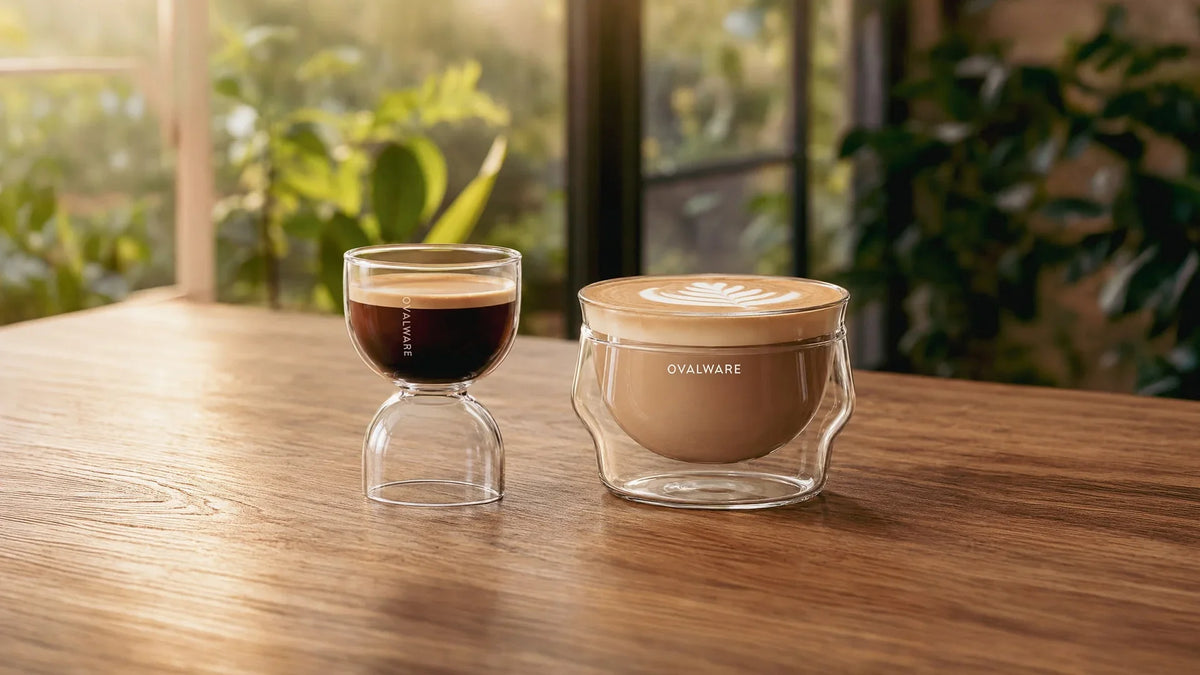
Quick answer: 120-150ml capacity, small enough to keep the proportions correct and showcase the drink. A clear glass shows off the color contrast between the espresso and milk. The Ovalware Espresso Shot Glass is designed for this size range and includes measurement markings for precise shots.
The Ovalware Espresso Shot Glass holds up to 60ml (2oz) and has measurement markings at 30ml (single shot) and 60ml (double shot). It's ideal for measuring your shot precisely before combining with the milk. Many home baristas use it to pull and measure the shot, then pour it into a slightly larger glass with the milk.
For the finished cortado, a 120-150ml clear glass works well. The Ovalware Latte Master Glass at 250ml is a bit larger than a traditional cortado glass, but it works well for home use where you may want a slightly more generous pour.
Cortado Variations Worth Trying
Quick answer: The gibraltar (served in a specific restaurant glass), the iced cortado (espresso over ice, topped with cold milk), and the oat milk cortado (dairy-free, slightly sweeter) are all easy adaptations of the base recipe.
Gibraltar
A gibraltar is essentially a cortado, named after the style of glass traditionally used at Blue Bottle Coffee. Same ratio, same recipe, different name. The naming convention varies by cafe.
Iced Cortado
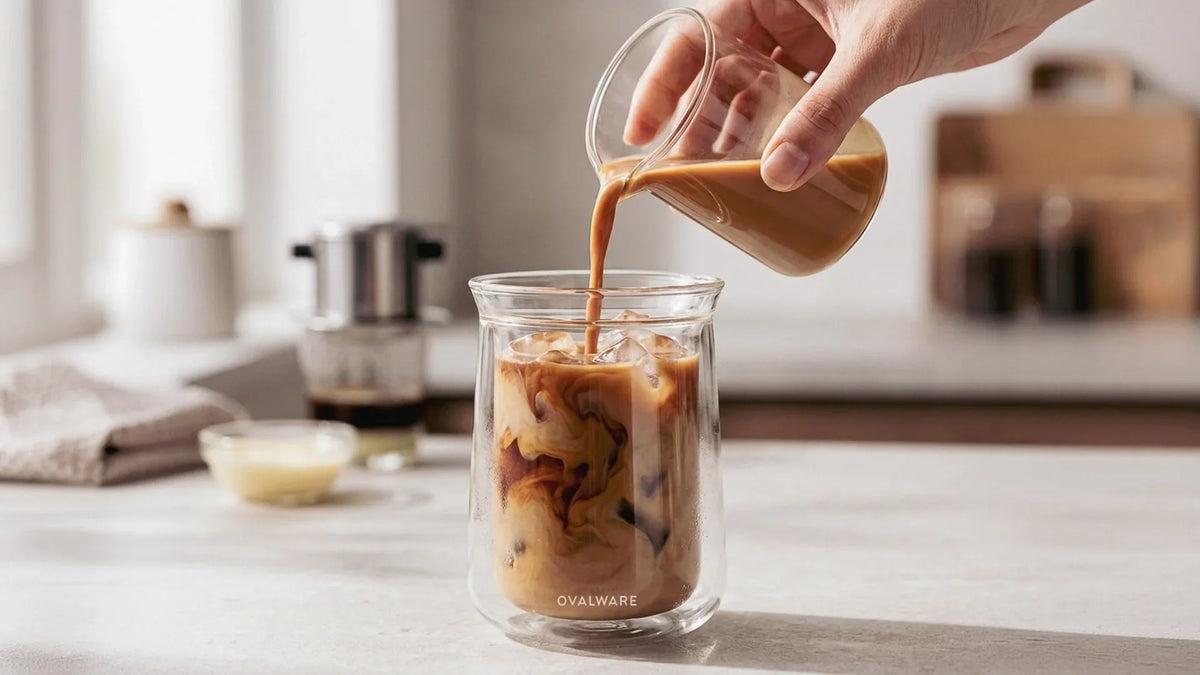
Pull your espresso shot and let it cool briefly. Fill a small glass with ice, pour the espresso over the ice, then add 60ml of cold whole milk or oat milk. No steaming needed. The result is bright, cold, and still has that tight coffee-to-milk ratio.
Oat Milk Cortado
Oat milk froths well and has a natural sweetness that complements espresso. Use a barista-grade oat milk (labeled "barista edition") for the best texture. Same recipe, same ratio.
The Ovalware Espresso Shot Glass
| Feature | Details |
|---|---|
| Capacity | 60ml / 2oz (maximum) |
| Design | Stackable two-piece borosilicate glass |
| Markings | 30ml (single shot) and 60ml (double shot) |
| Dishwasher safe | Yes |
| Price | $29.95 (set of 2) |
The Espresso Shot Glass is precise, stackable, and makes it easy to measure your shot before combining with milk. Free shipping on US orders $65 and over.
Frequently Asked Questions
What is a cortado?
A cortado is an espresso drink made with equal parts espresso and steamed milk, served in a small glass of about 120ml total. The name comes from the Spanish verb "cortar," meaning to cut. The milk cuts the intensity of the espresso without overpowering it. The result is bold coffee with a smooth, velvety texture and no thick foam cap.
What is the difference between a cortado and a flat white?
A cortado has a strict 1:1 espresso-to-milk ratio, usually totaling about 120ml. A flat white has a higher milk ratio (typically 1:2 or 1:3), usually totaling 150-180ml, and includes a thin microfoam layer on top. Both drinks are more coffee-forward than a latte, but the cortado is smaller and tighter on the milk side.
Can I make a cortado without an espresso machine?
Yes. A moka pot is the best alternative. It produces a concentrated, strong coffee that works well as the espresso base for a cortado. An AeroPress on the espresso setting also works. Strong drip coffee or cold brew can substitute, though the flavor profile will be less intense than a true espresso shot.
What kind of milk works best in a cortado?
Whole milk produces the creamiest texture and the best microfoam. If you want a dairy-free version, barista-grade oat milk (labeled "barista edition" by brands like Oatly or Califia) froths and behaves similarly to whole milk. Skim milk produces thin, bubbly foam that breaks down quickly.
What size glass should I use for a cortado?
A 120-150ml glass is the traditional size for a cortado. This keeps the proportions tight and the drink concentrated. A larger glass will make the drink feel more like a small latte. A clear glass is ideal because it lets you see the color contrast between the espresso and the milk.