Building Your Home Coffee Setup: What to Buy First, Second, and Third
Most people who want to make great coffee at home have no idea where to start. The options are overwhelming: cold brew makers, pour over kits, espresso machines, French presses, AeroPresses, grinders, scales, kettles. Coffee equipment has its own rabbit hole and it goes deep.
This guide cuts through it. Here's exactly what to buy first, what to add second, and what makes sense third, based on what you actually want from your coffee at home. No wasted money on equipment you'll never use.
The Framework: What Kind of Coffee Do You Actually Want?
Quick answer: Before buying anything, answer one question: do you primarily drink hot coffee, cold coffee, or both? If you drink both or mainly cold coffee, start with a cold brew maker. If you only drink hot coffee, start with a pour over. If you want espresso-style drinks, the path is different and more expensive.
Most home coffee drinkers fall into one of these categories:
- Cold coffee drinker: Wants iced coffee or cold brew daily. Prefers smooth, low-acidity, less bitter coffee over hot brewed alternatives.
- Hot coffee drinker: Wants a morning cup or two, cares about ritual and flavor, drinks it straight or with a small amount of milk.
- Both: Drinks hot in the morning, cold in the afternoon. Wants flexibility without a lot of different equipment.
This framework determines your buying order. Start with what you'll actually use every day. Adding equipment you'll use occasionally should come later.
Step One (First Buy): The Cold Brew Maker
Quick answer: For most people getting started with home brewing, a cold brew maker is the best first purchase. It's the lowest-effort, lowest-failure-rate brewer you can buy. You add coffee and water, wait 12-18 hours, and you have a week's worth of ready-to-drink cold brew. No heat, no technique, no timing required.
Here's why a cold brew maker wins as the entry point for most people:
- No skill required. You can't over-extract or under-extract by making a small mistake the way you can with pour over.
- Batch brewing. You make a full liter at a time and it stays fresh in the fridge for up to two weeks. You're not making one cup at a time.
- Versatility. Cold brew works over ice, mixed with milk, used as the base for iced lattes, or drunk straight. It's a utility ingredient as much as it is a drink.
- Lower acidity. Cold-extracted coffee is naturally less acidic than hot-brewed coffee, which makes it easier on your stomach and more approachable if you're sensitive to coffee's typical sharpness.
The Ovalware Cold Brew Maker comes in 1.0L ($40.99) and 1.5L ($46.99) versions. The borosilicate glass carafe doubles as a fridge storage vessel, so your cold brew goes from brewing to serving in the same container. The stainless steel filter traps the grounds without adding any plastic contact to your drink.
Brewing ratio: 85g of coarsely ground coffee per 1 liter of water (1:12 ratio) for the 1.0L maker, or 110g per 1.5L of water (1:14 ratio) for the larger one. Steep 12-18 hours in the fridge. That's the whole recipe.
The single thing that determines your cold brew quality at this stage is the coffee beans you use. A decent dark roast coarsely ground at a grocery store works fine to start. If you want to go deeper on how brew method changes flavor, see our cold brew vs pour over guide.
What to Add at Step One (But Not Required)
A simple kitchen scale. Not coffee-specific, just a $10-15 kitchen scale that measures in grams. Using 85g of coffee is more consistent than eyeballing a "scoop." This is optional for cold brew (the ratio is forgiving) but becomes important later when you move to pour over.
Step Two (Second Buy): The Pour Over Coffee Maker
Quick answer: Add a pour over maker once you want a hot coffee option that gives you more control over flavor than a drip machine. Pour over produces a clean, bright, nuanced cup and the ritual of making it is part of the appeal for many people.
Pour over is a step up in skill from cold brew. You're actively brewing a single cup in real time: pouring hot water over grounds in a controlled pattern, watching the coffee bloom, adjusting the pour rate. When done right, it produces one of the best cups of hot coffee you can make at home. When done poorly, it tastes flat or bitter. That's the tradeoff.
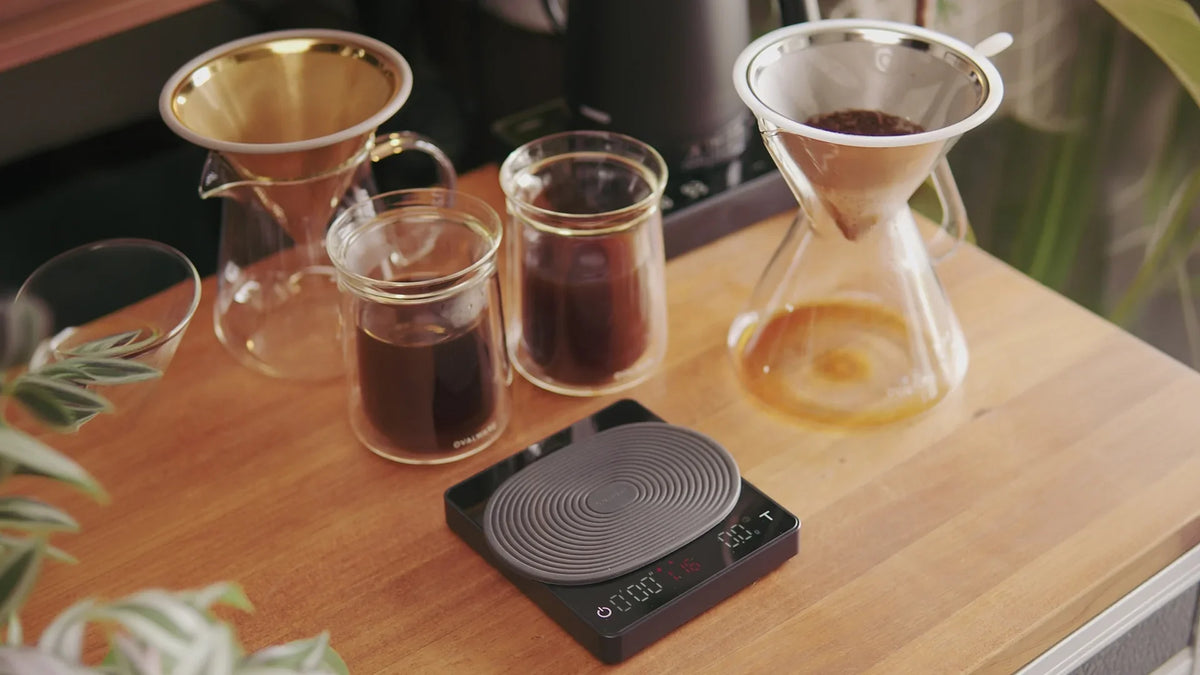
The Ovalware Pour Over Coffee Maker is a 3-piece kit at $46.99: 500ml borosilicate glass carafe, dual-layer stainless steel filter, and lid. No paper filters are needed because the stainless steel filter is permanent and reusable.
Adding pour over to your setup means you now have both hot and cold covered. Morning pour over, afternoon cold brew. That covers the full range of what most home coffee drinkers want.
At this stage, a gooseneck kettle becomes worth considering. The long, narrow spout gives you precise control over where the water goes. You can brew pour over with a regular kettle but the control is noticeably worse. An electric gooseneck with temperature control runs $30-60 and makes a real difference in pour over quality.
The Grinder Question
Quick answer: A burr grinder is the single highest-leverage upgrade you can make to your coffee setup. Pre-ground coffee loses flavor rapidly after grinding. Freshly ground coffee is dramatically better. When to buy a grinder is the main judgment call in building a home setup.
The practical answer: if you drink coffee every day and care about quality, buy a burr grinder at Step Two, alongside or right after the pour over. If you're still testing whether home brewing is worth the investment, use pre-ground or a grocery store grinder for now and upgrade when you know you're committed.
A hand grinder (manual, burr) runs $30-60 and produces excellent results. An electric burr grinder starts around $50 for entry-level and goes up significantly from there. For cold brew specifically, coarse grind consistency matters most. For pour over, consistency and grind size accuracy matter more.
Step Three (Third Buy): Upgrade Your Filter + Expand Your Setup
Quick answer: At this stage you're expanding and refining. Adding a standalone stainless steel filter, upgrading your drinkware, or adding espresso equipment are all valid directions depending on what you're enjoying most.
Standalone Stainless Steel Filter
The Ovalware Stainless Steel Coffee Filter ($27.99) is a cone-shaped pour over filter compatible with most standard pour over brewers. It's the same dual-layer construction as the filter included with the Pour Over Coffee Maker: laser-cut outer layer and a superfine inner mesh. No paper filters ever, and it lasts indefinitely with proper care.
If you already have a pour over brewer (like a Chemex or Hario V60) and want to stop buying paper filters, this is a direct upgrade. It's also useful if you want a backup filter or want to brew into a range server or other vessel.
Drinkware That Actually Fits What You're Making
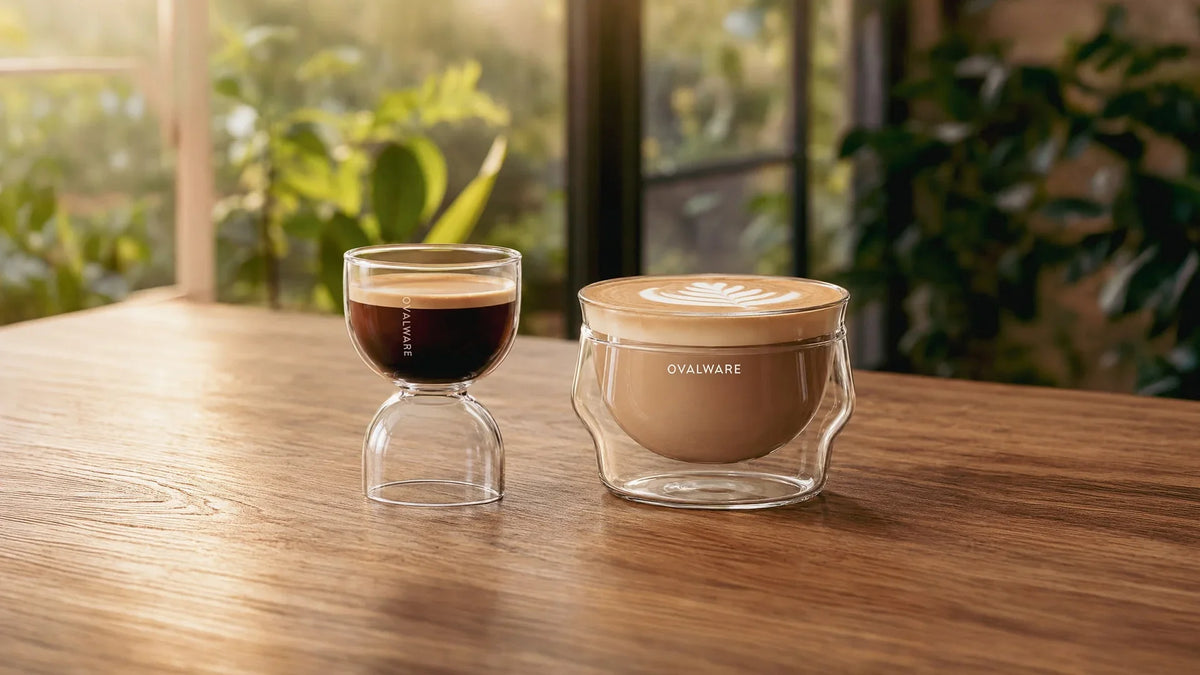
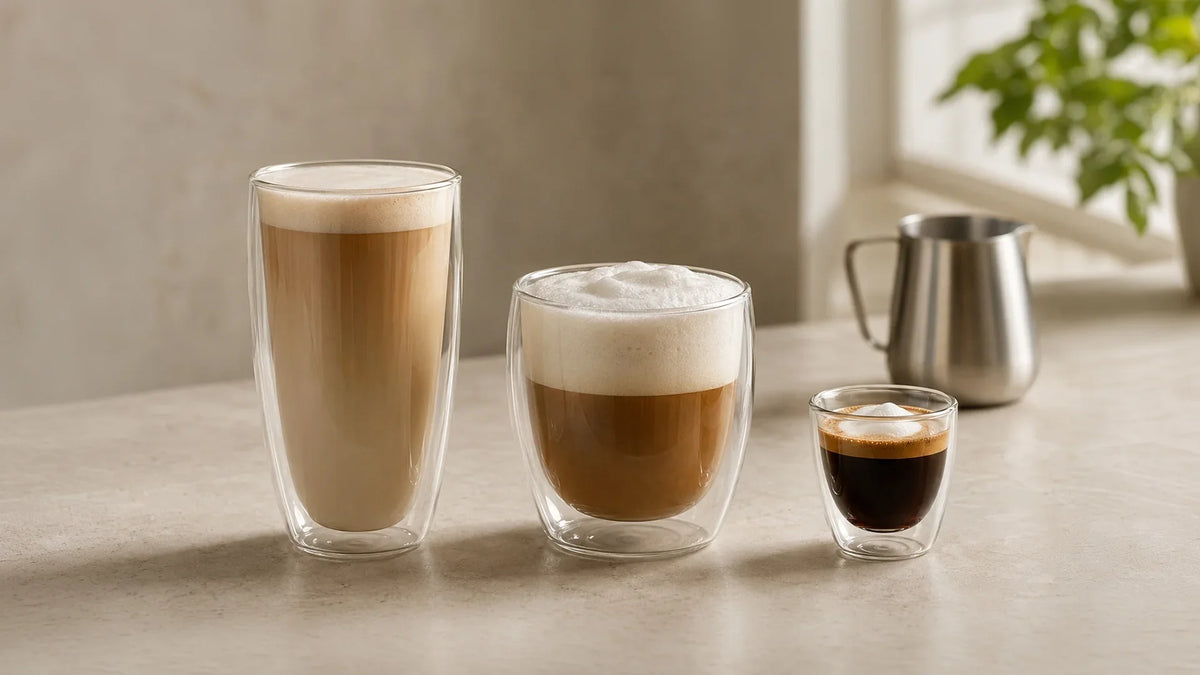
At this point you've probably identified what you drink most. If it's cold brew over ice, a double wall tasting glass eliminates condensation and keeps the drink cold longer than a regular glass. If you're making lattes or milky drinks from your pour over or a moka pot, the Latte Master Glass is sized perfectly for those.
Espresso Equipment
If you're pulled toward espresso-based drinks (lattes, cappuccinos, cortados), this is when to consider a moka pot or an entry-level espresso machine. A moka pot starts around $30 and produces a strong, concentrated coffee that works as an espresso substitute for milk drinks. An entry-level espresso machine runs $200 and up. This is a bigger jump in cost, skill, and equipment footprint than the previous two steps.
The Home Coffee Setup at a Glance
| Stage | What to Buy | Price | What It Gives You |
|---|---|---|---|
| Step 1 | Cold Brew Maker | $40.99-$46.99 | Batch cold brew, low effort, versatile |
| Step 1 Optional | Kitchen scale | $10-15 | Consistent ratios |
| Step 2 | Pour Over Maker | $46.99 | Hot coffee, flavor control, ritual |
| Step 2 Optional | Gooseneck kettle, burr grinder | $30-80 each | Better extraction control |
| Step 3 | Stainless Steel Filter, drinkware, or espresso equipment | Varies | Refinement and expansion |
What Most People Get Wrong When Setting Up at Home
Quick answer: They buy an expensive espresso machine first. Espresso machines have a steep learning curve, require regular maintenance, and produce disappointing results without good beans, a good grinder, and some skill. Most people who start there end up with an expensive machine that rarely gets used.
Starting with cold brew or pour over is lower risk, lower cost, and more likely to result in an actual daily habit. Build the habit first. Add complexity when you're ready for it, not before.
Frequently Asked Questions
What is the best first coffee maker to buy for home use?
For most people, a cold brew maker is the best first purchase. It requires no technique, brews a batch that lasts all week, and produces smooth, low-acidity coffee with minimal effort. If you exclusively drink hot coffee, a pour over kit is a better fit. Avoid starting with an espresso machine unless you're already committed to the learning curve.
Do I need a grinder to make good coffee at home?
A burr grinder is the highest-leverage upgrade you can make, but it's not required to start. Pre-ground coffee or grocery-store grinding works for cold brew and entry-level pour over. Once you're brewing daily and care about quality, a burr grinder (even a manual hand grinder at $30-50) will produce a noticeable improvement.
What is the difference between cold brew and pour over?
Cold brew uses cold water and a long steep time (12-18 hours) to extract coffee slowly. The result is smooth, low-acid, and slightly sweet, served cold. Pour over uses hot water and takes 3-5 minutes. The result is bright, clean, and aromatic, served hot. They produce very different flavor profiles from the same beans.
Do I need paper filters for pour over?
Not if you use a stainless steel filter. Paper filters are one-time-use and add to ongoing cost and waste. A dual-layer stainless steel filter is permanent, dishwasher safe, and produces a cup with slightly more body and oils than paper would remove. Paper filters produce a cleaner, lighter cup but require constant restocking.
What is a realistic budget to build a good home coffee setup?
A solid two-method setup (cold brew plus pour over) runs about $90-$95 in equipment from Ovalware. Adding a hand burr grinder brings the total to roughly $130-$150. A gooseneck kettle adds another $30-$60. A full functional home setup with both cold and hot methods, a grinder, and a kettle can be built for $150-$200, which is less than a month of daily cafe visits for most people.