How to Make an Americano at Home (And How It Differs From Drip)
An americano looks like black coffee and gets treated like an afterthought on most menus, but it's really an espresso drink wearing a disguise. If you already make espresso at home, you're one kettle away from a completely different cup , same beans, same machine, totally different drink. This guide covers the real ratio, the pour-order debate that actually changes the taste, and exactly how an americano differs from the drip coffee sitting in your machine right now.
What Is a Caffè Americano?
A caffè americano is a shot (or two) of espresso diluted with hot water, typically at a 1:1 to 1:2 ratio of espresso to water. The result tastes bolder and more concentrated than drip coffee but thinner and less syrupy than straight espresso , a deliberate middle ground, not a weaker version of either.
The name itself has a contested history. The most repeated story credits American soldiers stationed in Italy during World War II, who diluted the strong local espresso with hot water to taste more like the drip coffee they were used to back home , Italian baristas reportedly started calling it "Caffè Americano" as a result, per Americano Lounge's history of the drink. The Oxford English Dictionary's entry on "café americano" complicates that story: it traces the term to Central American Spanish as a derisive reference to mild coffee, with print use dating to the 1950s and first English use in a 1964 Jamaican newspaper , which would put the term's origin outside Italy entirely. Either way, the drink itself predates any single named inventor , it's simply espresso, cut with water.
Americano vs Drip Coffee: What's Actually Different
The core difference is brewing method, not just dilution: drip coffee passes hot water through grounds by gravity over several minutes, while an americano starts as pressurized espresso that's then diluted with hot water after the fact. That difference in process changes the chemistry, not just the strength.
Espresso-based drinks are still a minority at home compared to drip: the National Coffee Association's Spring 2026 National Coffee Data Trends report found that among people who brewed coffee at home, 37% used automatic drip machines versus just 13% who used an espresso machine. That gap is part of why so many home coffee drinkers have never actually made an americano , they own the machine that makes espresso, but default to drip out of habit.

| Factor | Caffè Americano | Drip Coffee |
|---|---|---|
| Brew method | Espresso extraction, then diluted with hot water | Gravity drip through grounds, no pressure |
| Flavor | Bolder, richer, slightly less acidic | Lighter, more acidic, rounder |
| Body | Thinner than espresso, fuller than drip | Consistent medium body throughout |
| Caffeine (standard serving) | ~63-150mg depending on shot count | ~95mg per 8oz cup |
| Active time | 2-3 minutes | 4-6 minutes |
According to Breville's americano vs. drip coffee comparison, the espresso-first extraction is what gives an americano its bolder, rounder flavor profile compared to drip , the high-pressure extraction pulls different compounds out of the grounds than slow gravity brewing does.
The Exact Ratio for an Americano at Home
Use a 1:1 to 1:2 ratio of espresso to hot water, depending on how strong you like it. For one drink: pull a double shot of espresso (about 2oz / 60ml), then add 2-4oz (60-120ml) of hot water , 1:1 for something closer to a long black in strength, 1:2 for a milder, more drip-coffee-like cup.
What you need:
- A double shot of espresso (or strong moka pot / AeroPress coffee if you don't have an espresso machine)
- 4-8oz hot water, just off the boil (around 195-205°F / 90-96°C)
- A preheated mug
Step 1: Heat your water. Bring it just off the boil , water that's actually boiling can scorch the coffee and pull out harsh, flat bitterness.
Step 2: Pull your espresso. Brew directly into your serving cup or a separate shot glass.
Step 3: Decide your pour order. This is the one step that actually changes the drink (more on this below).
Step 4: Combine and drink immediately. Americano doesn't hold well , the crema breaks down and the drink flattens within a few minutes.
Pour Order Changes the Drink: Americano vs Long Black
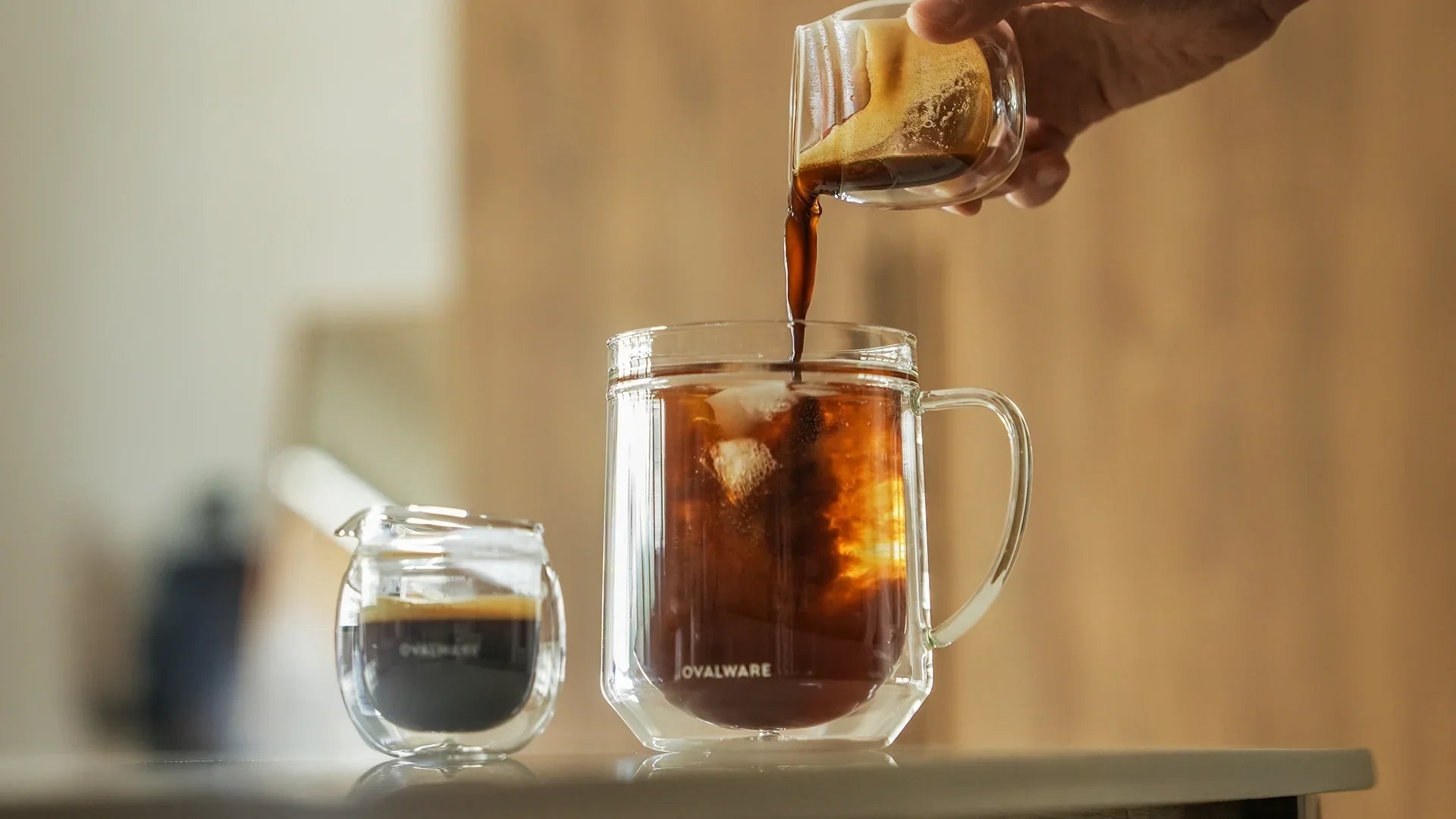
Pour espresso into hot water for a true americano, or pour hot water into espresso for what's technically a long black , and the difference is more than semantic. According to comparisons from HiBrew's long black vs. americano breakdown, pouring espresso on top of hot water (long black method) preserves more of the crema at the surface, giving a richer, more aromatic first sip. Pouring hot water directly onto espresso (the traditional americano method) breaks up the crema, producing a cleaner, smoother, slightly thinner cup.
Neither is wrong. If you want maximum aroma and a layered taste as you drink, pour the espresso last. If you want the classic, smooth americano most people expect, pour the water last.

Americano vs Lungo: Don't Confuse These Two
A lungo is pulled with more water running through the grounds during extraction itself; an americano is pulled as a normal shot, then diluted afterward with separately heated water. That distinction matters more than it sounds like it should.
According to Home Espresso Lab's lungo vs. americano comparison, a lungo runs at roughly a 1:3 to 1:4 coffee-to-water ratio and takes 45-60 seconds to pull, compared to 25-30 seconds for a standard espresso shot. Because the extra water passes through the grounds during brewing rather than after, a lungo pulls out compounds a normal shot leaves behind , mostly bitter ones , which is why lungos taste noticeably more bitter and intense than an americano at a similar dilution level. An americano, by contrast, gets the full flavor of a properly extracted espresso shot first, then simply dilutes it, so you keep the balance of the original shot instead of extracting further into bitterness.
If you've ever ordered an americano somewhere and it came out unexpectedly harsh, there's a decent chance the barista pulled a lungo instead , an easy mix-up since both involve "more water than a standard shot."
How Much Caffeine Is in an Americano?
A single-shot americano (about 6oz total) contains roughly 63mg of caffeine , similar to an 8oz cup of drip coffee, which averages about 95mg for a slightly larger serving, according to Driftaway Coffee's americano vs. drip comparison. Most cafés default to a double shot, which puts a standard americano closer to 94-150mg of caffeine, depending on the water ratio and bean.
That means an americano and a same-sized drip coffee land in a similar caffeine range , the bigger differences are in flavor and body, not stimulant strength. Coffee Chronicler's side-by-side breakdown reaches the same conclusion: the caffeine gap between the two drinks is small enough that it shouldn't be the deciding factor in which one you order.
Serving It Right
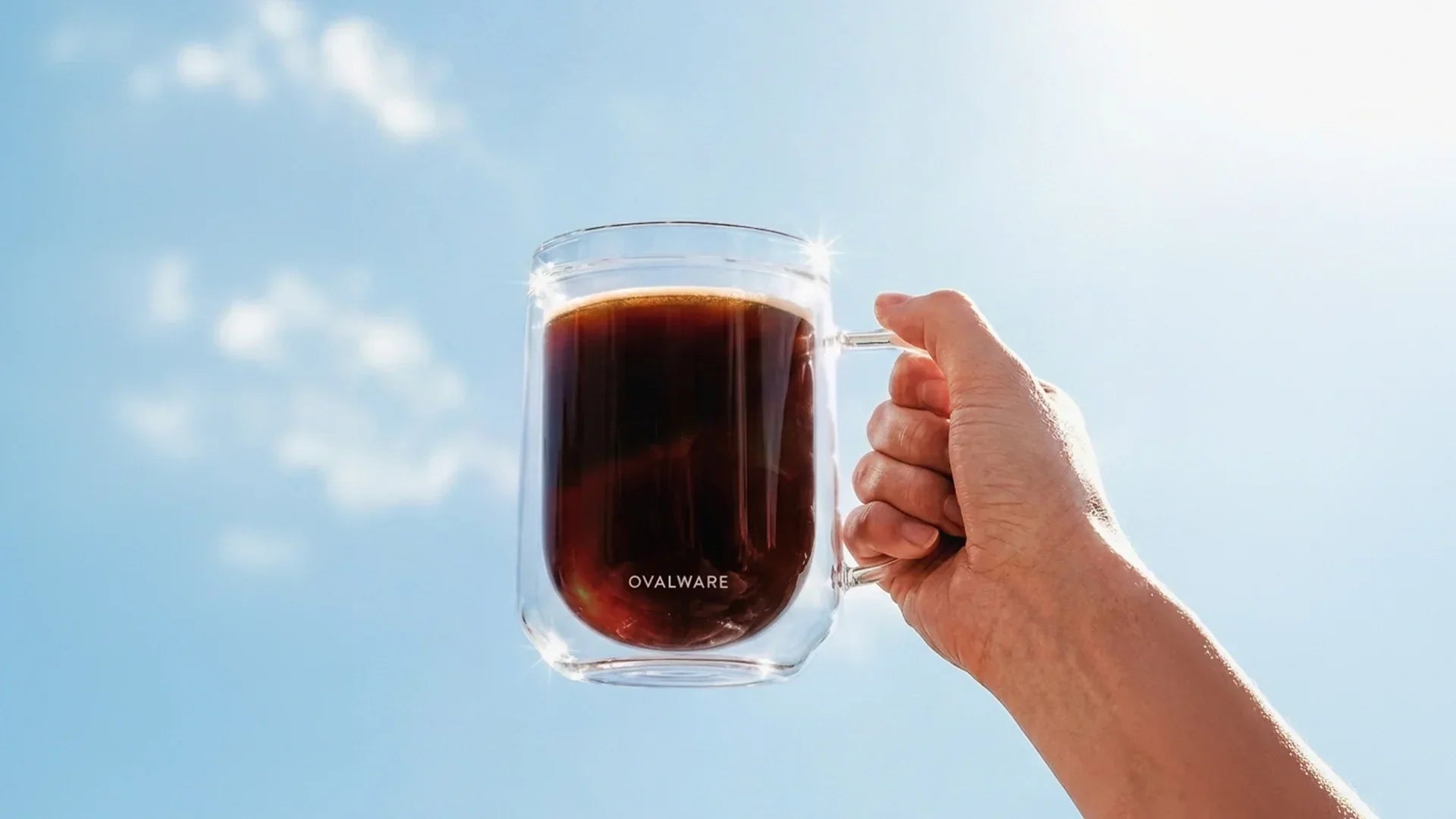
An americano is just black coffee, so the serving vessel matters more for temperature retention than anything else. A simple, sturdy mug works, but if you want your americano to stay hot longer without reaching for a reheat, a double-wall glass holds heat noticeably better than standard ceramic. The Ovalware Double Wall Mug is hand-blown borosilicate glass with double-wall construction, built to keep drinks hot significantly longer than a standard ceramic mug.
| Feature | Double Wall Mug |
|---|---|
| Capacity | 500ml / 17oz per mug |
| Material | Hand-blown borosilicate glass |
| Construction | Double-wall , retains heat, no exterior condensation |
| Sold as | Set of 2 |
| Price | $42.00 |
| Free shipping | US orders $65+ |
Common Mistakes to Avoid
- Using boiling water. Let it sit 30 seconds off the boil , fully boiling water scorches the espresso and adds harsh bitterness.
- Letting it sit too long before drinking. The crema and aroma fade fast once water and espresso combine. Drink within a few minutes.
- Using stale or under-extracted espresso. Dilution magnifies flaws , a weak or sour shot tastes even thinner once you add water.
- Treating it as identical to drip coffee. Same caffeine range, different chemistry , don't expect drip-coffee flavor from an espresso-based drink.
Frequently Asked Questions About Americanos
What's the difference between an americano and a long black?
Pour order. An americano adds hot water to espresso, breaking up the crema for a smoother, lighter cup. A long black pours espresso onto hot water, preserving the crema for a richer, more aromatic drink.
Can I make an americano without an espresso machine?
Yes. A moka pot or a strong AeroPress shot (about 2oz of concentrated coffee) works as a substitute for espresso , dilute it with hot water the same way.
Is an americano stronger than drip coffee?
It depends on the ratio. A 1:1 americano is generally bolder than drip coffee, while a 1:2 americano is closer in strength. Caffeine content is similar between the two at comparable serving sizes.
Why does my americano taste watery?
Usually too much water relative to espresso, or espresso that was already weak going in. Start at a 1:1 ratio and dilute further only if it tastes too strong.
Can you drink an americano iced?
Yes , pour espresso over ice and top with cold water instead of hot. It's a popular warm-weather variation that keeps the same espresso-to-water logic.
The Bottom Line
An americano isn't a diluted, lesser espresso , it's a deliberate middle ground between espresso's intensity and drip coffee's mellow body, and the only "trick" is getting the ratio and pour order right for your own taste. Start at 1:1, water-onto-espresso, and adjust from there.
If you're building out an at-home espresso routine, our guide to making perfect espresso at home and cappuccino at home guide cover the rest of the espresso drink family. And our mocha coffee guide is the next stop if you want something sweeter.