Iced Pumpkin Cream Matcha Recipe: Copy Starbucks' Fall Drink
Starbucks just confirmed its most unexpected fall drink yet: the Iced Pumpkin Cream Matcha, a pumpkin-topped matcha latte with zero coffee in it. It lands in stores on August 25, 2026, as part of a six-drink fall lineup that also includes an Iced Pumpkin Cream Shaken Espresso and a Pumpkin Spice Chai. That's still two weeks away, and the mobile order line on launch day is never short.
You don't need either. This drink is a matcha latte with pumpkin cream cold foam poured on top, no espresso, no cold brew, no barista required. This post covers exactly what's in the official version, based on Starbucks' own announcement and the secret-menu order fans have been building for months, the matcha grade that actually works here, how much caffeine you're really getting, and a full copycat recipe you can make tonight with a whisk, a jar, and ingredients already in your kitchen.
What Is Starbucks' Iced Pumpkin Cream Matcha?
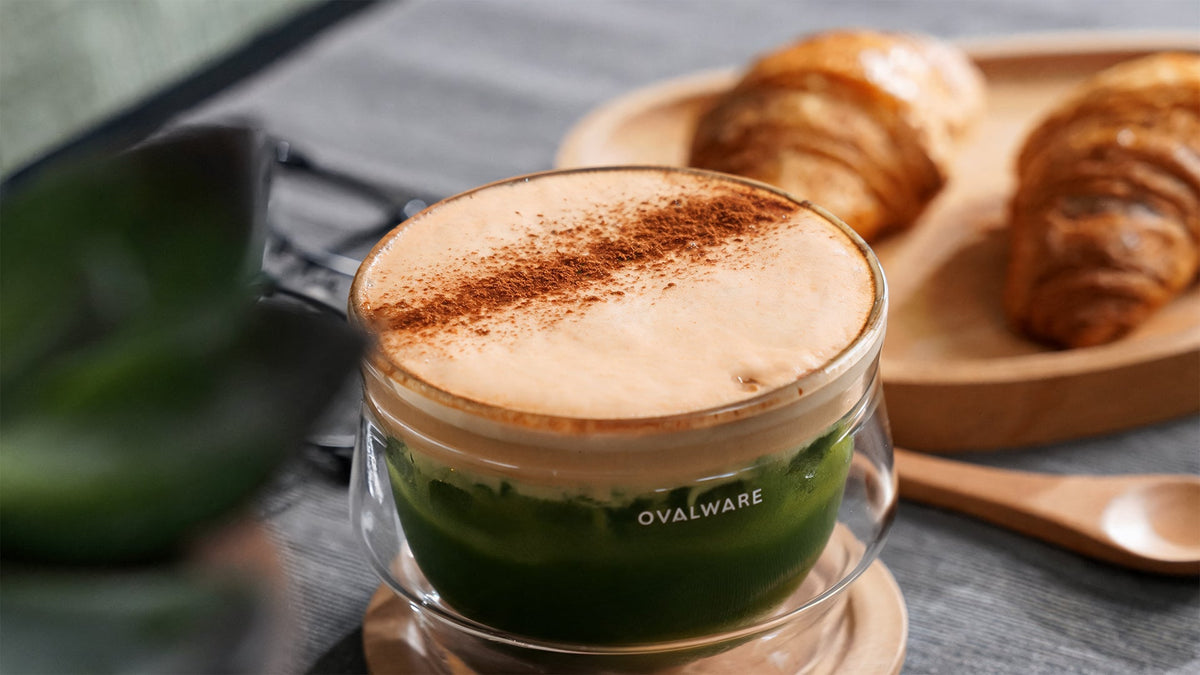
Starbucks' Iced Pumpkin Cream Matcha is an iced matcha latte, matcha powder whisked with water and topped with milk, finished with a layer of pumpkin cream cold foam poured on top and dusted with pumpkin spice. Starbucks confirmed it as a new item for the August 25, 2026 fall menu, alongside five other new drinks including an Iced Pumpkin Cream Shaken Espresso and a Pumpkin Spice Chai. There's no coffee or espresso anywhere in the base recipe. This is a tea drink, not a coffee drink, which sets it apart from Starbucks' other pumpkin drinks like the Pumpkin Spice Latte and Pumpkin Cream Cold Brew. The pumpkin cream cold foam is the same style of topping Starbucks already uses on Pumpkin Cream Cold Brew: a whipped blend of cream, milk, pumpkin, and spice that sits on top and slowly works its way down as you sip.
This isn't exactly a brand-new idea. A "Pumpkin Spice Matcha Latte" has floated around Starbucks' secret menu for at least a year, built by ordering an iced matcha latte with oat milk, two pumps of brown sugar syrup, one pump of pumpkin sauce, and a topping of pumpkin cream cold foam. Tasting Table's breakdown of that secret-menu order describes the flavor as the pumpkin's spiced sweetness, the oat milk's nuttiness, and the matcha's earthiness working together, which lines up closely with what the official version is expected to taste like. Starbucks has been building pumpkin drinks for a long time to get here, the original Pumpkin Spice Latte launched in just 100 stores back in October 2003 and has since sold hundreds of millions of cups. Pumpkin and matcha simply never met on the official menu until now.
The timing tracks with where matcha already is as a category. The global matcha market is valued at roughly $5.5 billion in 2026 and is projected to grow at a 7.1% compound annual rate to $8.9 billion by 2033, according to Grand View Research's matcha market report. Restaurant data platform Tastewise found matcha menu items grew 30.22% year over year, with social conversation about matcha up 107.35% year over year. Starbucks isn't creating a trend here. It's catching up to one that was already happening at every independent cafe and grocery store matcha aisle in the country.
How to Make Iced Pumpkin Cream Matcha at Home
This recipe makes one 16-ounce serving and takes about five minutes, plus a minute of prep for the pumpkin cream. No espresso machine, no steam wand, a whisk (or milk frother) and a jar are the only tools involved.
What You'll Need
For the matcha base:
- 1.5-2 teaspoons (3-4g) matcha powder, sifted
- 2 oz hot water, around 175°F, not boiling
- 6-8 oz milk of choice (oat milk is the closest match to Starbucks' own secret-menu build)
- Ice
For the pumpkin cream cold foam:
- 3 tablespoons (45 ml) heavy cream
- 2 tablespoons (30 ml) cold milk
- 1 tablespoon (15g) canned pumpkin puree, not pumpkin pie filling
- 2 teaspoons brown sugar syrup or maple syrup
- 1/4 teaspoon vanilla extract
- 1/4 teaspoon pumpkin pie spice, plus more for dusting
Steps
- Whisk the matcha. Sift the matcha into a bowl to break up clumps, add the hot water, and whisk briskly in a "W" motion until smooth and lightly foamy. A bamboo whisk works best; a small frother will do fine.
- Build the base. Fill a tall glass with ice, pour in the milk most of the way up, then slowly pour the whisked matcha over the back of a spoon so it sits as a distinct layer.
- Make the pumpkin cream cold foam. Combine the heavy cream, milk, pumpkin puree, syrup, vanilla, and pumpkin pie spice in a jar or frothing pitcher. Froth for 20-30 seconds until it roughly doubles in volume and holds a soft, pourable peak. If you want more detail on getting the texture right, our guide to how to make cold foam covers thicker, thinner, and dairy-free versions.
- Top and finish. Spoon the pumpkin cream cold foam over the matcha, dust with pumpkin pie spice, and sip without stirring so the foam cascades down through the drink in layers.
A tall, clear glass earns its keep in this recipe. The whole appeal of the drink is watching the pumpkin foam sink slowly through the matcha, and that only works if you can see it happen. The Ovalware Latte Master Glass was built for exactly this kind of layered, made-at-home drink: a wide mouth for pouring and whisking, a gently tapered shape that holds the foam cap, and hand-blown glass clear enough to watch every layer settle.
Picking the Right Matcha Grade for This Drink
Culinary-grade matcha works better than ceremonial-grade for iced pumpkin cream matcha. Ceremonial matcha comes from the youngest first-harvest leaves, called ichibancha, picked in late April and May, and it's made to be mild and delicate enough to whisk with only water. Culinary matcha comes from later second and third harvests, nibancha and sanbancha, picked in June and July from leaves that got more direct sun. That extra sun exposure gives culinary matcha a bolder, slightly more bitter flavor and a higher concentration of catechins, the antioxidant compounds matcha is best known for. That bitterness is exactly what stands up to milk, pumpkin, and sweetener instead of disappearing into them. Culinary-grade matcha is also easier to find at grocery stores and Asian markets, and it typically carries a lower price tag than ceremonial tins, since it comes from a later, larger harvest.
If you use ceremonial-grade matcha here, the pumpkin and cream will likely overpower its delicate flavor entirely, and you'd be paying more for a grade whose character gets lost anyway. Jade Leaf Matcha's breakdown of the two grades notes they're built for different preparations entirely, not different quality tiers of the same drink. Buy matcha that lists a harvest date, and keep it sealed in the fridge once opened. It loses color and flavor fast once air gets to it.
How Much Caffeine Is in an Iced Pumpkin Cream Matcha?
A homemade iced pumpkin cream matcha carries about 60 to 70 mg of caffeine per serving, based on a standard 2-gram matcha serving, which is noticeably gentler than a coffee-based fall drink. For comparison, a grande Starbucks Iced Matcha Latte carries roughly 65 mg of caffeine on its own, before any pumpkin cream is added. That's a fraction of what's in a coffee-based fall drink like the Pumpkin Spice Latte or Pumpkin Cream Cold Brew, both of which run well over 150 mg per grande. Using 1.5 to 2 teaspoons of matcha instead of one teaspoon pushes the total closer to 90 to 100 mg. None of the caffeine comes from the pumpkin cream cold foam itself, since that layer is just cream, milk, pumpkin, and spice with no caffeine at all, so the total depends entirely on how much matcha goes into the base.
Here's the source math. Senbird Tea's matcha-versus-coffee caffeine comparison puts a standard 2g matcha serving at 60-70 mg, against 95-200 mg for an 8 oz cup of drip coffee and 150-240 mg for the same amount of cold brew. The FDA caps healthy adults at 400 mg of caffeine a day, so even a double-strength matcha version of this drink uses up a modest slice of that budget. Matcha also carries L-theanine, an amino acid that changes how the caffeine feels rather than how much of it there is. A 2021 systematic review in the peer-reviewed journal Cureus found that combining caffeine with L-theanine improves sustained attention and reduces mind-wandering compared to caffeine alone, the calm, steady focus people associate with matcha drinks. Want more of a jolt than matcha can give you? Our Dirty Matcha Cold Brew recipe swaps in real cold brew for exactly that, no pumpkin required.
Homemade vs. Starbucks: Cost, Timing, and Control
Making iced pumpkin cream matcha at home costs about $1.50 per serving, compared with $6 to $7 for a grande specialty drink at Starbucks, and you can make it two weeks before the official August 25 launch. Starbucks hasn't published detailed nutrition information for this specific drink yet since it hasn't launched, but its base Iced Matcha Latte carries about 65 mg of caffeine and is typically sweetened with syrup pumps and pumpkin sauce. The homemade version uses real pumpkin puree instead of flavored sauce, and you decide exactly how much sugar goes in, usually far less than a cafe pour. The only thing you're trading away is the walk to pick it up. You also skip the wait entirely, since a fresh batch of pumpkin cream cold foam only takes about a minute to whip up once the matcha is whisked and the ice is in the glass.
| Homemade | Starbucks (Grande) | |
|---|---|---|
| Cost per drink | About $1.50 in ingredients | $6-$7 for specialty drinks with cold foam |
| Pumpkin source | Real pumpkin puree | Pumpkin sauce |
| Caffeine | 60-100 mg, you control the matcha amount | About 65 mg from the matcha base (full drink not yet published) |
| Milk options | Any milk you already have | Dairy, oat, almond, or coconut, varies by store |
| Available | Right now | August 25, 2026 |
Real pumpkin puree also does more than flavor the drink. One cup of cooked pumpkin carries 78% of the daily recommended vitamin A and 3 grams of fiber, according to Healthline's nutrition breakdown, none of which comes from a bottled pumpkin sauce. If you want the pumpkin pie spice blend exactly right, McCormick lists its Pumpkin Pie Spice as cinnamon, ginger, nutmeg, and allspice, easy to mix yourself if that's what's already in your spice rack.
Variations Worth Trying
Once you've made the base recipe once, it bends easily toward whatever's already in your kitchen.
- Maple pumpkin matcha: swap the brown sugar syrup for maple syrup in the cold foam. Less candy-sweet, more fall bakery.
- Dairy-free version: use oat milk in the base and coconut cream in the foam. Oat milk froths well and matches Starbucks' own secret-menu recommendation.
- Hot instead of iced: follow our guide to making the perfect latte at home for steamed milk technique, then spoon the pumpkin cream on top instead of pouring it over ice.
- Side-by-side fall flight: make this alongside our Pumpkin Cream Cold Brew recipe and taste matcha against coffee under the same pumpkin foam.
Frequently Asked Questions
What is Starbucks' Iced Pumpkin Cream Matcha?
It's an iced matcha latte topped with pumpkin cream cold foam, confirmed as a new item on Starbucks' fall 2026 menu launching August 25. There's no coffee or espresso in it, the base is matcha and milk, with pumpkin cream poured on top.
When does Starbucks' Iced Pumpkin Cream Matcha come out?
It launches August 25, 2026, alongside five other new drinks on Starbucks' fall menu. You can make a homemade version anytime before then with matcha, milk, and pumpkin cream cold foam.
Does Iced Pumpkin Cream Matcha have coffee in it?
No. It's built on matcha, not espresso or cold brew, so it carries meaningfully less caffeine than Starbucks' coffee-based fall drinks like the Pumpkin Spice Latte or Pumpkin Cream Cold Brew.
How much caffeine is in an iced pumpkin cream matcha?
A homemade version made with a standard 2-gram matcha serving carries about 60 to 70 mg of caffeine, and a grande Starbucks Iced Matcha Latte carries roughly 65 mg before pumpkin cream is added. That's a fraction of the caffeine in a coffee-based fall drink.
What's the difference between Iced Pumpkin Cream Matcha and Pumpkin Cream Cold Brew?
Pumpkin Cream Cold Brew is built on real cold brew coffee and carries significantly more caffeine, while Iced Pumpkin Cream Matcha swaps the coffee base for whisked matcha and milk. Both use the same style of pumpkin cream cold foam on top.
Make It Before the Line Forms
Starbucks won't pour its first Iced Pumpkin Cream Matcha until August 25, 2026. You don't need to wait that long to have one.
- It's matcha and milk, not coffee, so whisk it, don't brew it.
- Culinary-grade matcha and real pumpkin puree beat the cafe version on flavor and cost.
- The whole drink comes together in about five minutes with a whisk and a jar.
All you really need is a good glass to build it in. The Ovalware Latte Master Glass is made for matcha, lattes, and layered drinks like this one, wide enough to whisk in, tall enough to show off the pumpkin foam as it settles. Orders over $65 ship free in the US. Make your first one tonight, and you'll have a two-week head start on everyone still waiting in line.