What the 2026 World Brewers Cup Teaches Us About Better Pour Over at Home
On June 27, 2026, Malaysia's Nas Jaafar was crowned the 2026 World Brewers Cup champion at World of Coffee Brussels , scoring 469 points across two services and beating six finalists from Australia, Hong Kong, the Czech Republic, South Korea, and France. It was Malaysia's first-ever World Brewers Cup title and a signal of how far Southeast Asian specialty coffee has come.
You might be wondering: what does a world championship coffee competition have to do with your morning pour over?
The answer: a lot. The World Brewers Cup was designed specifically to celebrate the craft of hand-brewed filter coffee , the same method you're using at home. Competition at this level reveals, with extraordinary precision, exactly which variables move the needle on taste. This post breaks those down into things you can actually apply in your own kitchen.
What Is the World Brewers Cup?
The World Brewers Cup (WBrC) is one of the six World Coffee Championships held annually by the World Coffee Championships organization. It focuses exclusively on manual filter coffee , no espresso, no milk. Just coffee, water, and technique.
Competitors complete two services at each event:
- Compulsory Service: Every competitor brews the same mystery whole-bean coffee provided by the organizers. Judges evaluate blind. This levels the playing field , pure technique determines the outcome, not bean selection.
- Open Service: Competitors choose their own coffee and deliver a 10-minute presentation explaining the origin, processing method, and brewing approach while judges evaluate aroma, flavor, body, balance, and aftertaste.
One technical requirement shapes everything: per the 2026 WBrC competition rules, every beverage must register a Total Dissolved Solids (TDS) reading of ≤2%. TDS measures how much coffee is dissolved in the water. Too high, and the cup is over-extracted , muddy, bitter, harsh. The TDS ceiling forces precision.
Who Won the 2026 World Brewers Cup?

Nas Jaafar from Malaysia took the championship with 469 points. Runner-up Simon Gautherin of Australia finished with 461 , despite posting the highest single score in the open service round. Bavis Kwong from Hong Kong SAR placed third at 463 points.
Jaafar's win is part of a broader shift in specialty coffee's center of gravity. Southeast Asia has been quietly developing one of the world's most dynamic coffee cultures over the last decade, and a World Brewers Cup title puts that firmly on the global map. As Sprudge noted in its 2026 WCC coverage, the competition field has become increasingly global, with Asian competitors consistently challenging European and Australasian dominance.
The detailed specifics of Jaafar's open service routine , coffee origin, processing, exact recipe , are still being documented by the specialty coffee press as of late June 2026. Check Sprudge and Perfect Daily Grind for full coverage as it's published in the coming days.
The 4 Variables That Decide a World-Class Pour Over
Competition judges score on aroma, flavor, body, balance, and aftertaste. Every variable a competitor controls either helps or hurts those scores. Here are the four that matter most , and what each one means for your home setup.
1. Water Temperature
The Specialty Coffee Association recommends brewing water between 93°C ± 3°C (200°F ± 5°F), according to the Complete Home Barista pour over guide. That's a 6°C window. Competition brewers work within an even tighter range , because 3°C too hot pulls harsh bitter compounds, and 3°C too cold leaves sugars and aromatics behind in the grounds.
At home: boil your kettle and let it sit for 30-45 seconds before pouring. This typically drops temperature from 100°C to about 93-95°C. A temperature-controlled kettle removes the guesswork entirely , set it to 93°C and brew.
2. Grind Size and Consistency
Pour over calls for a medium-fine grind , similar to sea salt in texture. Competition brewers use purpose-built precision grinders; the OPTION-O LAGOM 01 is a World Brewers Cup-qualified filter grinder known for exceptional particle uniformity.
Uniformity is the key word. If your grind contains a mix of fine and coarse particles, the fines over-extract (bitter) while the coarse pieces under-extract (sour) , in the same brew, at the same time. The resulting cup is muddy and unbalanced. A quality burr grinder , even a mid-range one , produces dramatically more consistent results than blade grinders. It's the most impactful equipment upgrade most home brewers can make.
3. Coffee-to-Water Ratio
The WBC's 2% TDS ceiling corresponds to a specific extraction window. For home pour over, the practical target is a 1:15 to 1:17 ratio , 15 to 17 grams of water per gram of coffee. A solid starting point: 25g coffee to 400ml water (1:16 ratio). Our guide on dialing in your pour over ratio walks through how to adjust from this baseline.
Adjust to taste: if the cup is too strong and astringent, add a little more water to your recipe. If it's flat and watery, reduce the water or increase your dose. Small changes , 2-3 grams of coffee , make a noticeable difference.
4. The Bloom and the Pour
Every World Brewers Cup competitor performs a bloom , a controlled pre-infusion of the grounds before the main pour. Use about twice the coffee's weight in water (50ml for 25g coffee) and wait 30-45 seconds. This releases CO2 trapped in freshly-roasted beans, which would otherwise create gas channels in the grounds and cause uneven extraction.
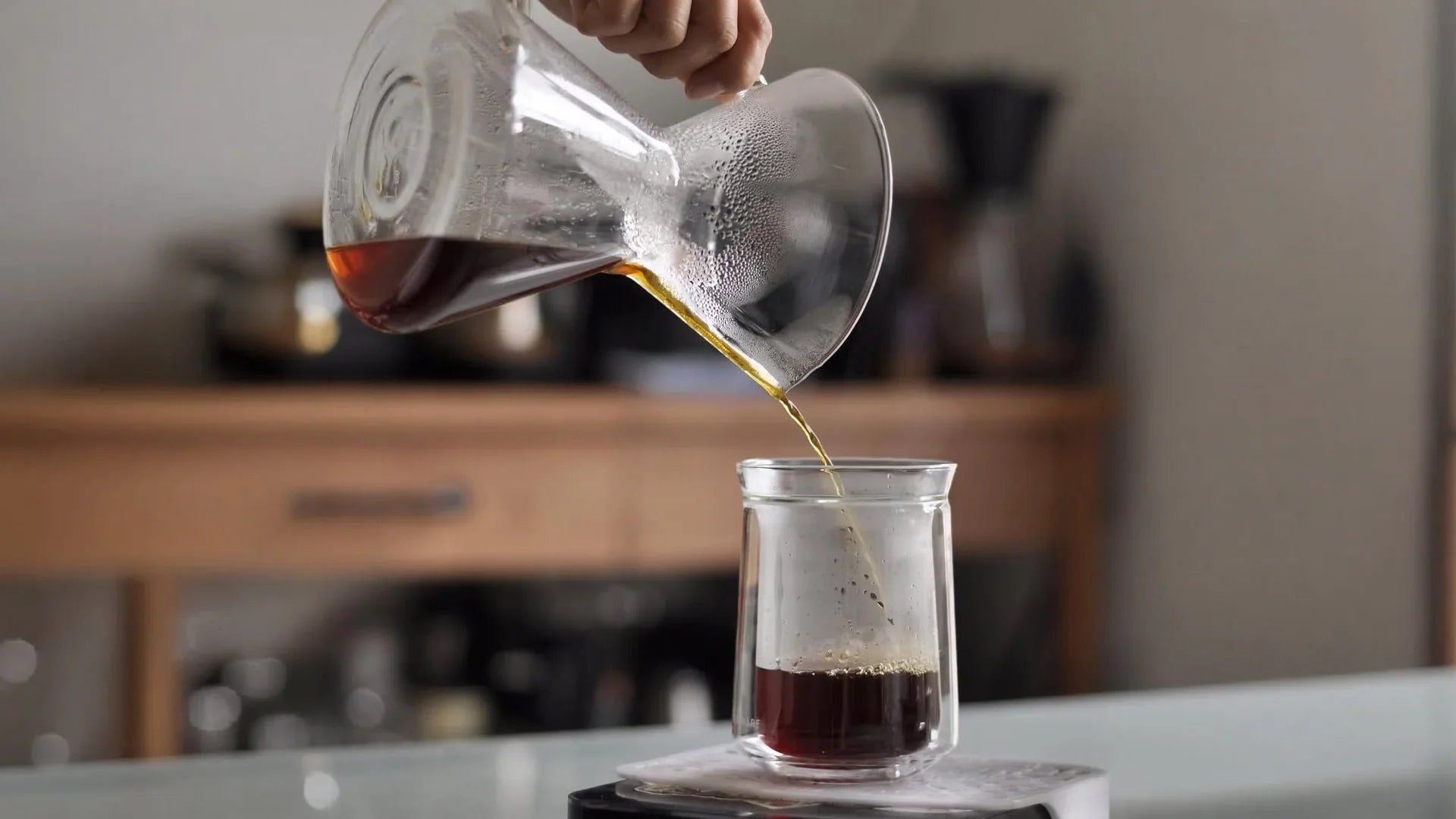
After the bloom, pour slowly in a spiral from center to edge. Keep the water level consistent , not dropping too low (which creates dry spots and channeling) or rising too high (which over-saturates and muddles flavors). Target a total brew time of 3-4 minutes. Under 2.5 minutes usually means under-extraction. Over 5 minutes means over-extraction.
Trends Shaping Competition Pour Over in 2026
The competition circuit doesn't just reward good technique , it drives the equipment and method innovation that eventually reaches home kitchens. Two trends from the current season are worth knowing about.

Hybrid Brewers Are Everywhere
In the 2025 World Brewers Cup in Jakarta, four out of nine finalists used hybrid brewers , devices that switch between immersion brewing (like a French press or Clever Dripper) and percolation (like a pour over) in a single brew. The Hario Switch is the most popular example. Custom-built brewers are also increasingly common on the competition stage, with some competitors designing their own equipment specifically for their open service routine.
These tools give more control over extraction , competitors can use immersion to saturate the grounds evenly, then switch to percolation to drain cleanly. The same principle applies at home: longer contact time extracts more, faster drainage stops extraction sooner.
Single-Origin Focus and Storytelling
The open service format rewards both taste and narrative. Competition brewers increasingly choose naturally-processed single-origin coffees , beans dried with the fruit still on, which intensifies sweetness and fruit character. These coffees are harder to brew consistently, but they produce striking cups when done right.
For home pour over, starting with a high-quality single-origin from Ethiopia, Colombia, or Kenya is the clearest way to hear what good beans can do. Washed-process coffees from these origins are approachable, well-documented, and widely available from specialty roasters.
The Right Equipment for Clean Results
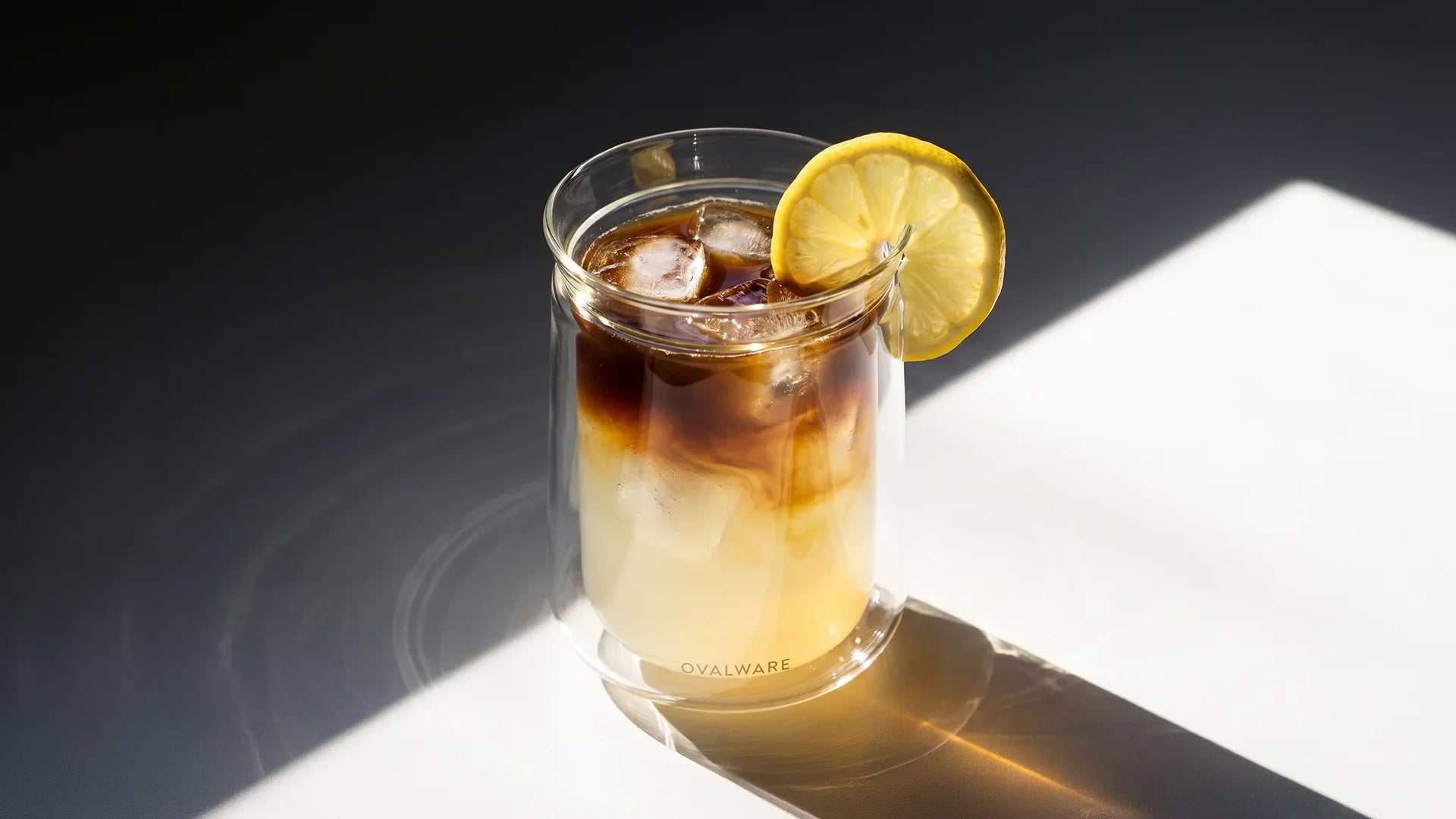
Every World Brewers Cup competitor brews into a neutral vessel that doesn't interfere with flavor. No plastic. No metal that adds off-notes. Glass lets the coffee speak for itself.

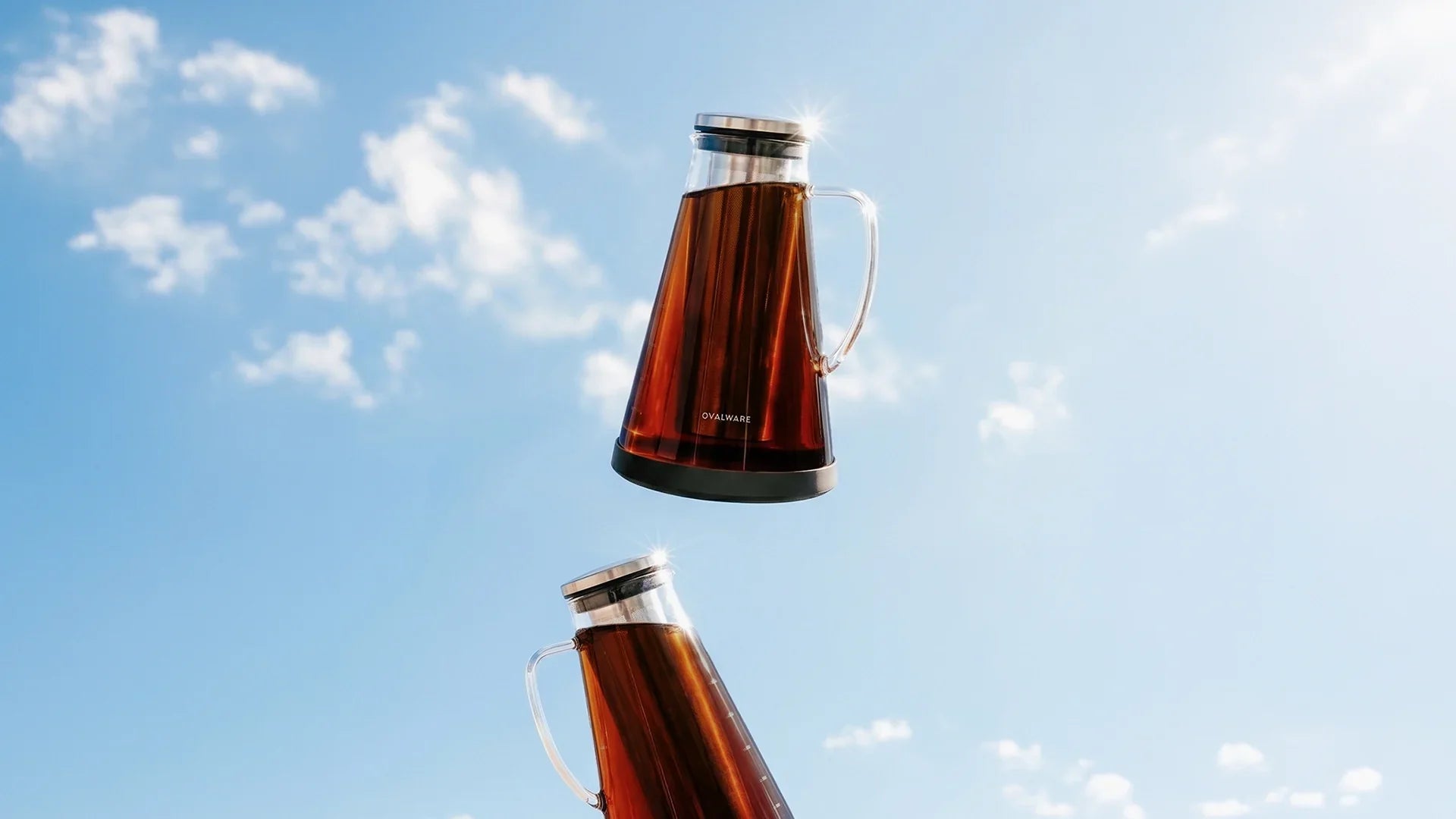
The Ovalware Pour Over Maker applies the same principle to home brewing. The three-piece system , a borosilicate glass carafe, a dual-layer stainless steel filter, and a lid , eliminates paper filters entirely. No paper taste. No ongoing cost. No emergency Whole Foods run when you run out.
| Feature | Detail |
|---|---|
| Capacity | 500ml / 17oz |
| Material | Borosilicate glass carafe + dual-layer stainless steel filter |
| Paper filters needed | Never |
| Best grind size | Medium-fine |
| Best roast | Light to medium |
| Dishwasher safe | Yes , both carafe and filter |
| Price | $46.99 |
Shop the Ovalware Pour Over Maker →
Your Competition-Level Pour Over Checklist
You don't need a $500 grinder or a custom-built brewer. Competition-level pour over is about controlling the variables you already have access to:
- Fresh beans , within 4 weeks of the roast date. Light to medium roast for best clarity.
- Consistent medium-fine grind , a burr grinder is worth it.
- Filtered water at 93°C (200°F) , let the kettle rest 30-45 seconds after boiling.
- 1:15 to 1:17 ratio , start at 1:16 (25g coffee : 400ml water) and adjust.
- 30-45 second bloom , 2x the coffee weight in water.
- Slow spiral pour, 3-4 minutes total.
- Glass vessel , clean, neutral, non-reactive.
World champions and home brewers use the same physics. The difference is consistency and attention. Start controlling one variable at a time , water temperature first, then grind, then ratio , and you'll taste the difference within a week.
For more on how to make pour over coffee at home, or to go deeper on grinding coffee consistently, start there.
Frequently Asked Questions
What coffee did the 2026 World Brewers Cup winner use?
The full details of Nas Jaafar's open service routine , including his coffee selection, origin, and recipe , are being documented by the specialty coffee press following the June 27 conclusion. Check Sprudge and Perfect Daily Grind for full coverage as it's published. Competition routine details typically appear within 1-2 weeks of the event.
What is TDS and why does it matter in pour over?
TDS stands for Total Dissolved Solids , the amount of coffee compounds dissolved in your brewed cup, expressed as a percentage. The World Brewers Cup requires TDS ≤2%. For home pour over, a TDS of 1.2-1.45% is generally considered the sweet spot: strong enough to be flavorful, dilute enough to taste clean and balanced. A TDS meter costs around $15-20 and is useful for dialing in consistent results.
What's the difference between the compulsory and open service in the WBrC?
In compulsory service, every competitor brews the same organizer-provided coffee. Judges evaluate technique alone. In open service, competitors choose their own coffee and present a 10-minute narrative about origin, processing, and brewing choices while judges score on taste. The open service round often separates finalists , it's where storytelling and bean selection combine with technical skill.
Do I need a competition grinder for good pour over at home?
No. A mid-range burr grinder , Baratza Encore, Fellow Ode, or similar , produces significantly more consistent grinds than blade grinders and is enough to notice real quality differences. The biggest gains come from grinding consistently at the same setting each time, not from the grinder brand.
What coffee is best for pour over at home?
Light to medium roast, single-origin, ideally washed process. Ethiopian and Colombian coffees are particularly popular , they have clear fruit and floral notes that pour over's clean extraction highlights well. Fresh beans (within 4 weeks of the roast date) make a bigger difference than almost any equipment upgrade.