Tiramisu Latte Recipe: How to Make the Viral Dessert Coffee at Home
The tiramisu latte was quietly on specialty café menus before summer 2026 turned it into a full trend. The drink , espresso, vanilla milk, mascarpone cold foam, a dusting of cocoa , has been flooding Instagram grids and TikTok saves at a rate that puts it alongside the banana bread latte and miso caramel latte in terms of home barista interest this summer. The reason isn't hard to find: it looks gorgeous in a clear glass, it tastes like dessert, and it comes together in under 10 minutes.
This guide covers everything you need , the classic recipe, the mascarpone foam technique that most posts rush past, iced and dairy-free variations, and a few details that actually change the outcome.
What Is a Tiramisu Latte?
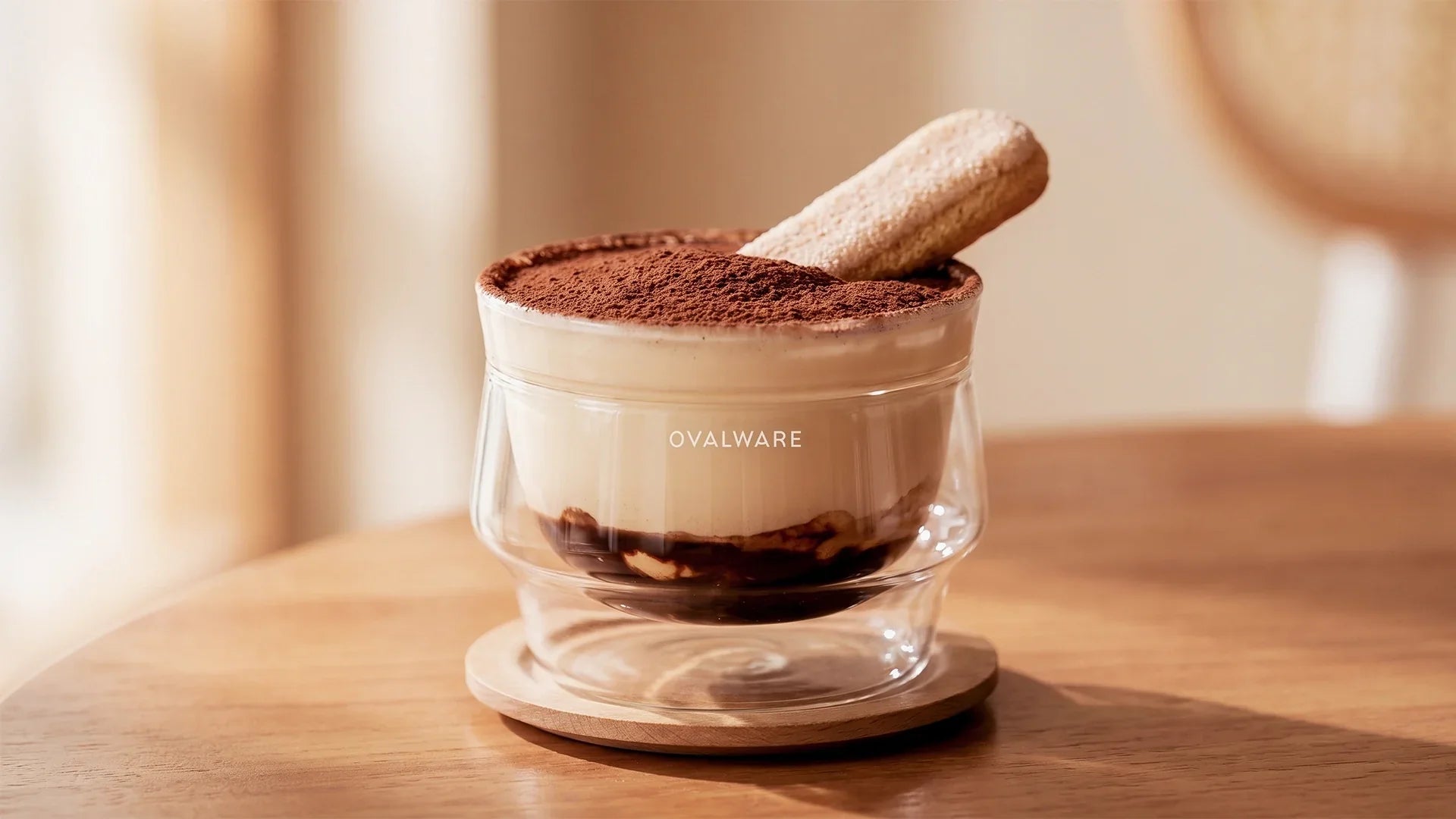
A tiramisu latte is an espresso drink topped with mascarpone cold foam and finished with a dusting of unsweetened cocoa powder, designed to capture the flavors of the Italian dessert in drinkable form. A vanilla-sweetened milk base sits between the espresso and the foam, giving the drink its layered look and the full tiramisu flavor profile: bold coffee, creamy sweetness, and a bitter cocoa finish.
Traditional tiramisu , which traces its origins to the Veneto region of Italy in the 1960s , layers ladyfinger biscuits soaked in espresso with a mascarpone and egg yolk cream, finished with cocoa. The latte strips that down to its three flavor essentials: espresso, mascarpone cream, cocoa. The biscuits are gone. The taste that makes tiramisu unmistakable is still there.
According to Flavor & The Menu's tiramisu trend report, the dessert coffee format first crossed into mainstream café culture through Starbucks Reserve menus, then spread to independent cafés across Europe and Asia. By summer 2026, home baristas with a carton of mascarpone and a handheld frother had figured out they could make it better than most café versions , and for a fraction of the cost.
What You Need
Before the steps, here's what each ingredient actually does and why it matters:
Mascarpone cheese. The heart of the drink. Mascarpone is an Italian cream cheese with 40-50% fat by weight , roughly twice the fat of standard cream cheese. As Tasting Table's guide to mascarpone cold foam explains, that fat content is what makes the foam stable and spoonable rather than liquid. It also has a milder, slightly sweeter flavor than cream cheese , no tanginess competing with the espresso.
Heavy cream. Lightens the mascarpone foam and helps it hold air. Must be cold.
Vanilla simple syrup. Stirred into both the milk base and the foam. Homemade (equal parts sugar and water, simmered with a split vanilla bean or half a teaspoon of vanilla extract) is noticeably better than bottled, but either works. Make a batch and it keeps in the fridge for 2-3 weeks.
Espresso. 1-2 shots depending on how much you want the coffee flavor to come through. Two shots is the standard , one can get lost under the mascarpone foam.
Milk. Whole milk gives the richest texture. Oat milk is the best dairy-free alternative. More on this in the variations section.
Unsweetened cocoa powder. For dusting. Not sweetened drinking chocolate , unsweetened cocoa has the slight bitterness that mirrors the finish of real tiramisu. A small fine-mesh sieve gives you an even, controlled coat.
The Classic Tiramisu Latte Recipe
A tiramisu latte has four components made in order: mascarpone cold foam, vanilla simple syrup, steamed or cold milk, and 1-2 shots of espresso. Total active time is under 10 minutes. The foam is made first so it can chill while you build the rest of the drink.
The method below works for both hot and iced versions; the variations section has the specific adjustments for each.
Ingredients (serves 1)
Mascarpone cold foam:
- 2 tablespoons mascarpone cheese, cold
- 3 tablespoons heavy cream, cold
- 1 tablespoon vanilla simple syrup
- ¼ teaspoon instant espresso powder (optional , deepens the tiramisu flavor throughout)
Latte base:
- 1-2 shots espresso (30-60ml / 1-2oz)
- 150ml (5oz) steamed whole milk for hot, or cold milk poured over ice for iced
- 1-2 teaspoons vanilla simple syrup
- Unsweetened cocoa powder for dusting
Step 1: Make the mascarpone foam. Combine cold mascarpone, cold heavy cream, and vanilla syrup in a small bowl or jar. If you're using instant espresso powder, add it now. Whisk with a handheld milk frother until the mixture holds soft peaks , thick and spoonable, not stiff. About 30-45 seconds on medium speed. Alternatively, seal the ingredients in a jar and shake vigorously for 45-60 seconds. Set the foam in the fridge while you build the rest.
Step 2: Pull the espresso. Brew 1-2 shots directly into a small pitcher or cup. For the iced version, let the espresso cool for 60 seconds before pouring over ice , boiling espresso melts a significant amount of ice immediately and dilutes the drink.
Step 3: Prepare the milk base. For hot: steam whole milk to around 65°C (150°F). For iced: fill your glass with ice and pour in cold milk. Stir 1-2 teaspoons of vanilla syrup into the milk.
Step 4: Combine espresso and milk. For hot: pour steamed milk over the espresso. For iced: pour espresso slowly over the milk , this creates a gradient layer before you stir.
Step 5: Spoon on the mascarpone foam. Retrieve it from the fridge and spoon it generously over the top. It's thick enough to float on the drink's surface without sinking.
Step 6: Dust with cocoa. Hold a small sieve over the foam and tap unsweetened cocoa powder through in a light, even layer.
Step 7: Serve immediately. The layered iced version is most striking right after assembly. The foam holds its shape for a few minutes before it starts to soften into the drink.
Getting the Mascarpone Foam Right
Thin, runny foam is almost always a temperature problem. Use mascarpone and cream straight from the fridge , cold dairy holds air better and produces a more stable result. If the foam collapses within seconds of whipping, this is the first thing to check.
A few more details that genuinely change the outcome:
- Don't soften the mascarpone beforehand. This is the opposite of most baking instructions. Cold foam needs cold fat , room-temperature mascarpone produces a looser, less stable result.
- Test the consistency. Lift your frother out of the foam. It should hold its shape for 2-3 seconds before smoothing. If it drips immediately, whip longer. If it looks grainy or curdled, you've gone too far.
- Adjust thickness with whip time, not ingredients. Adding more mascarpone to fix thin foam just changes the flavor ratio. More whipping time is the right fix.
- Add instant espresso powder to the foam. Munchies by Mallory's tiramisu latte recipe uses this technique , a quarter teaspoon stirred into the foam ingredients gives you continuous coffee flavor all the way through the drink, not just in the espresso base below. It's what makes the tiramisu flavor feel cohesive rather than layered.
- Make it ahead. Mascarpone foam holds in the fridge for 3-4 hours in a sealed container. Give it a quick stir before spooning. This makes multi-drink prep easy.
The mascarpone foam is where this drink separates itself from a generic vanilla latte. Getting that slow-spooning, cloud-like texture right is where the everyday magic actually lives.

Variations: Iced, Hot, and Dairy-Free
The tiramisu latte works across three formats with the same core components. Temperature and milk type are the main variables to adjust.
Iced Tiramisu Latte , the dominant version in summer 2026, and the most photogenic. Fill a clear glass with ice, add vanilla syrup and cold milk, pour espresso slowly over the top to create a gradient, then add the foam and cocoa dusting last. The layered visual , pale milk, dark espresso swirl rising through it, ivory foam, cocoa snow , is exactly what's driving this drink on social media. Lovely Delites' iced tiramisu latte and Coffee Copycat's version both nail the layering technique if you want visual reference.
Hot Tiramisu Latte. Steam whole milk to 65-70°C (150-160°F). Pour over espresso with vanilla syrup and spoon on mascarpone foam immediately. Dust with cocoa before the foam softens from the steam. Baran Bakery's hot version recommends pulling the shot slightly longer , closer to 2.5oz rather than the standard 2oz double , so the espresso flavor holds its own against warm milk.
Dairy-Free Tiramisu Latte. The milk base swaps easily , oat milk is the best option for body and flavor. Almond milk works but is noticeably thinner.
The foam swap is harder. Mascarpone has no perfect dairy-free substitute, but a combination of good-quality dairy-free cream cheese (Violife or Kite Hill work well) and full-fat coconut cream , the thick solid layer from the top of a refrigerated can, not coconut milk , produces a foam that's recognizably tiramisu in flavor even if it's slightly less stable. Moribyan's dairy-free tiramisu latte notes that chilling the coconut cream overnight and using only the firm part makes a significant difference in how well the foam holds.
Matcha Tiramisu Variation. A crossover version trending in Asian cafés and now showing up on Western menus: use one espresso shot and one matcha shot (about 2g matcha whisked into 30ml hot water). Dust the foam with a 50/50 blend of unsweetened cocoa and matcha powder. The result is earthy and bitter from two directions at once , genuinely interesting.
Tips That Actually Change the Outcome
- Choose espresso with chocolate or nut notes. A medium-dark roast echoes the tiramisu flavor profile and makes the mascarpone foam taste intentional. A super-light, fruity roast can clash with the cream and cocoa.
- Sweetness is cumulative. The vanilla syrup, the foam, and the milk all add sweetness. Start with 1 teaspoon of syrup in the base rather than 2, and taste before adding more , the foam will push the overall sweetness further than you expect.
- Use a fine-mesh sieve for cocoa. Cocoa powder clumps. A quick tap through a sieve gives an even coat; otherwise you end up with a few thick spots and bare patches.
- Let the espresso cool slightly for iced. 60 seconds is enough. Hot espresso poured directly onto ice dilutes the drink significantly. You can also pull shots ahead of time and refrigerate them.
- Use a clear glass. The layering effect is the point. A ceramic mug or opaque vessel eliminates the visual , and the visual is part of why people make this drink again the next day.
The Right Glass for This Drink
A clear, tall glass is the correct vessel for a tiramisu latte , it's the only way to see the layers that define the drink. The ideal glass has enough height for espresso, milk, ice, and a generous layer of foam, and a wide enough mouth to spoon the mascarpone over cleanly.

The Ovalware Latte Master Glass is made for exactly this kind of drink. Its tall, slightly tapered shape creates room for proper layers. The wide mouth makes spooning mascarpone foam clean and controlled. And double-wall borosilicate construction keeps iced drinks cold without condensation on the outside , no water rings, no sweating glass, no slipping. It's hand-blown from borosilicate glass, which handles thermal shock without cracking if you're moving between hot espresso and cold milk assembly.
| Feature | Latte Master Glass |
|---|---|
| Capacity | 250ml / 8.5oz per glass |
| Material | Hand-blown borosilicate glass |
| Construction | Double-wall , no condensation, dry exterior |
| Colors | Clear Glass, Frost White, Stealth Gray |
| Sold as | Set of 2 |
| Price | $36.99 |
| Dishwasher safe | Yes |
| Free shipping | US orders $65+ |
If you're already making lattes at home, the Latte Master Glass works equally well for the full range of espresso drinks , lattes, cappuccinos, flat whites, cortados. It's also the glass behind our other viral latte recipes: the tahini latte, the pistachio latte, and the ube latte.
Not sure how to pull a good shot without an espresso machine? Our guide to making iced lattes without an espresso machine covers five methods that work, from moka pot to AeroPress.
Frequently Asked Questions
What does a tiramisu latte taste like?
Like a latte with a rich, creamy vanilla layer and a dry cocoa finish , the flavor of tiramisu compressed into a drink. The mascarpone foam is subtly sweet and dense rather than light and airy. The cocoa dusting on top brings a slight bitterness that stops the whole thing from tasting cloying. Most people find it more restrained and balanced than they expected, which is what makes it easy to drink every day, not just as a treat.
Can I make a tiramisu latte without an espresso machine?
Yes. A moka pot produces a concentrated coffee that works just as well. A strong AeroPress shot , fine grind, short steep , is another good option. If you're using drip coffee, brew at double strength (twice the coffee grounds, same amount of water) and use 60ml in place of a double shot. Our full guide to making lattes without an espresso machine covers all five methods. Also useful: our guide to espresso shot sizes if you're calibrating for the right coffee-to-milk ratio.
Why is my mascarpone foam too runny?
Temperature is the most common cause. Mascarpone and heavy cream need to be straight-from-the-fridge cold , warm fat doesn't trap air the same way. If the ingredients were cold and the foam is still thin, whip longer: mascarpone foam takes 30-45 seconds with a frother, which is longer than most people expect. Also check that you're using heavy cream, not half-and-half or whole milk , lower-fat alternatives don't whip the same way. The Farmstyle's mascarpone cold foam guide has a useful troubleshooting breakdown if the consistency still isn't right.
Can I make a tiramisu latte ahead of time?
The mascarpone foam keeps in the fridge for 3-4 hours in a sealed container. Pull the espresso shots ahead of time and refrigerate them too. Assemble the full drink right before serving , the foam softens over time and the cocoa dusting loses its distinct look if left to sit. For a party or hosting situation, set up a small DIY station with the chilled foam, refrigerated espresso, milk, ice, and the cocoa sieve and let people assemble their own.
Is a tiramisu latte very sweet?
It can be, depending on how you build it. The vanilla syrup in the base, the syrup in the foam, and the mascarpone's natural sweetness all add up. Start with 1 teaspoon of syrup in the milk base (rather than 2) and let the foam carry the rest. The unsweetened cocoa dusting on top is important for the same reason , it cuts the sweetness with bitterness at the finish, exactly the way the cocoa layer does in real tiramisu. Skip it and the drink tips too sweet.